


How to approach hardware selection in 2024 for Ansys CFD solvers (all budgets considered - from laptops to clusters!)
Note: This was written in December 2023, but this is an ever-changing space, so please contact your local LEAP support engineers if you would like...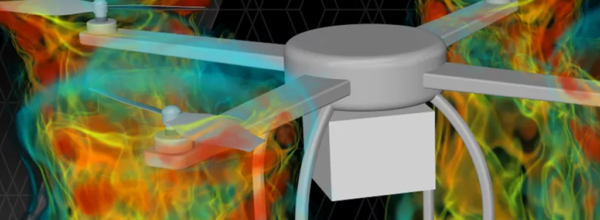
Ansys 2023 Release Highlights – Fluids
Recording from LEAP's recent series of Ansys 2023 R1 & R2 update seminars covering the latest updates in Ansys Fluids. Thes videos are from our Melbourne event, presented by Dr. Lewis Clark, LEAP's Fluids Technical Manager.
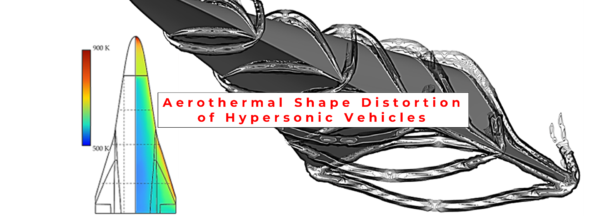
Simulating Aerothermal Shape Distortion of Hypersonic Vehicles
How can designers of hypersonic aircraft overcome the ‘heat barrier’ using simulation to better understand aerothermal shape distortion (aka aerothermoelasticity, or fluid-structural-thermal interaction - FTSI)? This guest blog by ADFA explains how multiphysics simulation helps designers of hypersonic vehicles account for aerothermal shape distortion (which can compromise a hypersonic vehicle’s aerodynamic performance) through to the risk of catastrophic material failures, using tools that can simulate both the aerodynamics as well as the thermal and structural response.
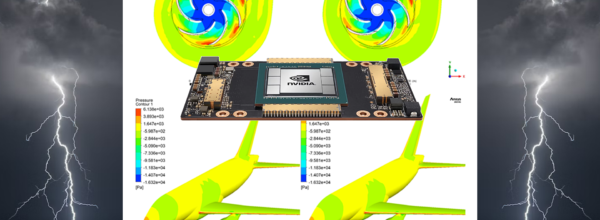
A look into the lightning-fast future of GPU-powered CFD
Here we benchmark Fluent's new fully-native GPU (Graphics Processing Unit) solver, available since the 2023R1 release, which has delivered impressive numbers on our tests that include both high-end (A100 GPU - over five times faster than a baseline using 80 CPU cores) and standard 8GB GPUs that are probably similar to one you're already using (still delivering a 3x3x speedup over an 8 core Intel Xeon W-11955M CPU).
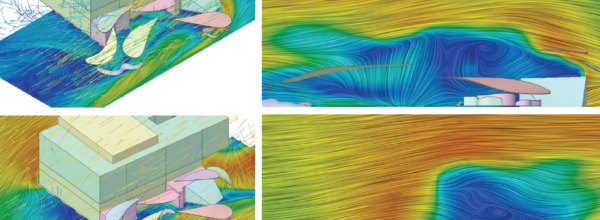
Exploring new ideas in Urban Design – a Q&A with Wendy Walls, Melbourne School of Design
Q&A with Wendy Walls whose research and teaching aims to deliver innovative design methodologies for urban open spaces, designed in response to a changing climate. Learn how Wendy's use of Ansys Discovery has provided an engaging way to teach landscape design students the critical concepts involving airflow and heat transfer in urban design.
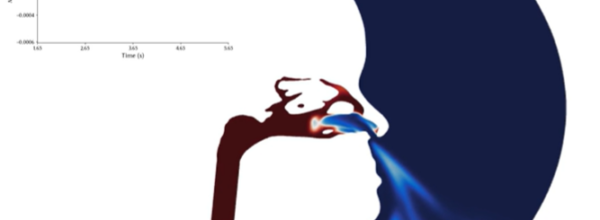
Highlights from SCONA 2023 – CFD of the Nose and Airway
Our curated highlights from a recent SCONA event (SCONA is the Society for Computational fluid dynamics Of the Nose and Airway) that illustrate the power of using CFD for applications relevant to our understanding of the nose and airway. SCONA 2023 was held recently in Brisbane, Australia.
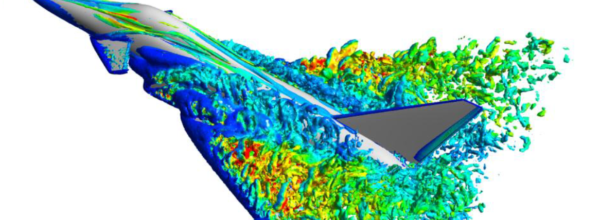
Guest Blog by Prof. David Fletcher: Importance of following Best Practices for Scale Resolving Turbulence Modelling
Guest Blog explaining the significance of the new Stress-Blended Eddy Simulation (SBES) turbulence approach which makes use of the best available models for both near-wall and far field accuracy, within one single scale-resolving CFD simulation, including a recording of highlights from our recent webinar.
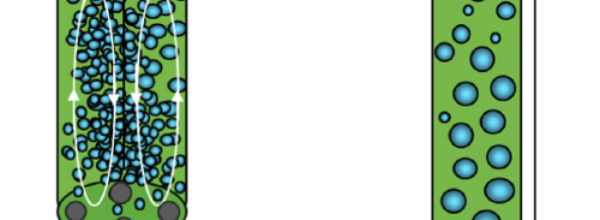
CFD Modelling of Biological methanation in bubble column reactors
Read how the advanced multiphase capabilities of Ansys Fluent (combining hydrodynamics with mass transfer and chemical reaction) are being used to model 3D bioreactors and used as inputs to validate simpler 1D models suitable for process design and optimisation using simpler, computationally faster models.

Behind the scenes of how Emirates Team New Zealand sailed to new wind-powered land speed record
The engineering behind the scenes of Horonuku – the successful attempt by ETNZ to break the wind-powered land speed record, drawing upon experience from engineers across ETNZ whose careers have focused on the complex physics of aerodynamics, dynamics, structural mechanics and composite materials.
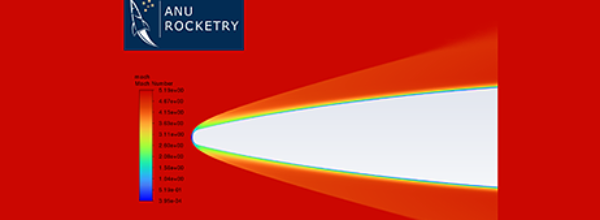
Guest Blog by ANU Rocketry: Democratisation of Space starts with university student teams
Founded in 2018 to participate in the Australian Universities Rocket Competition (AURC), students from the Australian National University’s (ANU) Rocketry team are striving to develop a rocket capable of passing the boundary of outer space and being safely recovered by parachute upon re-entry. This lofty goal has led the team to move away from commercially available solid-fuel propelled rockets to develop their own in-house designed bipropellant liquid-fuel engine, with the help of Ansys aerothermal analysis to predict the heat flux at the space rocket’s leading edges during its hypersonic ascent phase.

How to approach hardware selection in 2024 for Ansys CFD solvers (all budgets considered - from laptops to clusters!)
Note: This was written in December 2023, but this is an ever-changing space, so please contact your local LEAP support engineers if you would like...
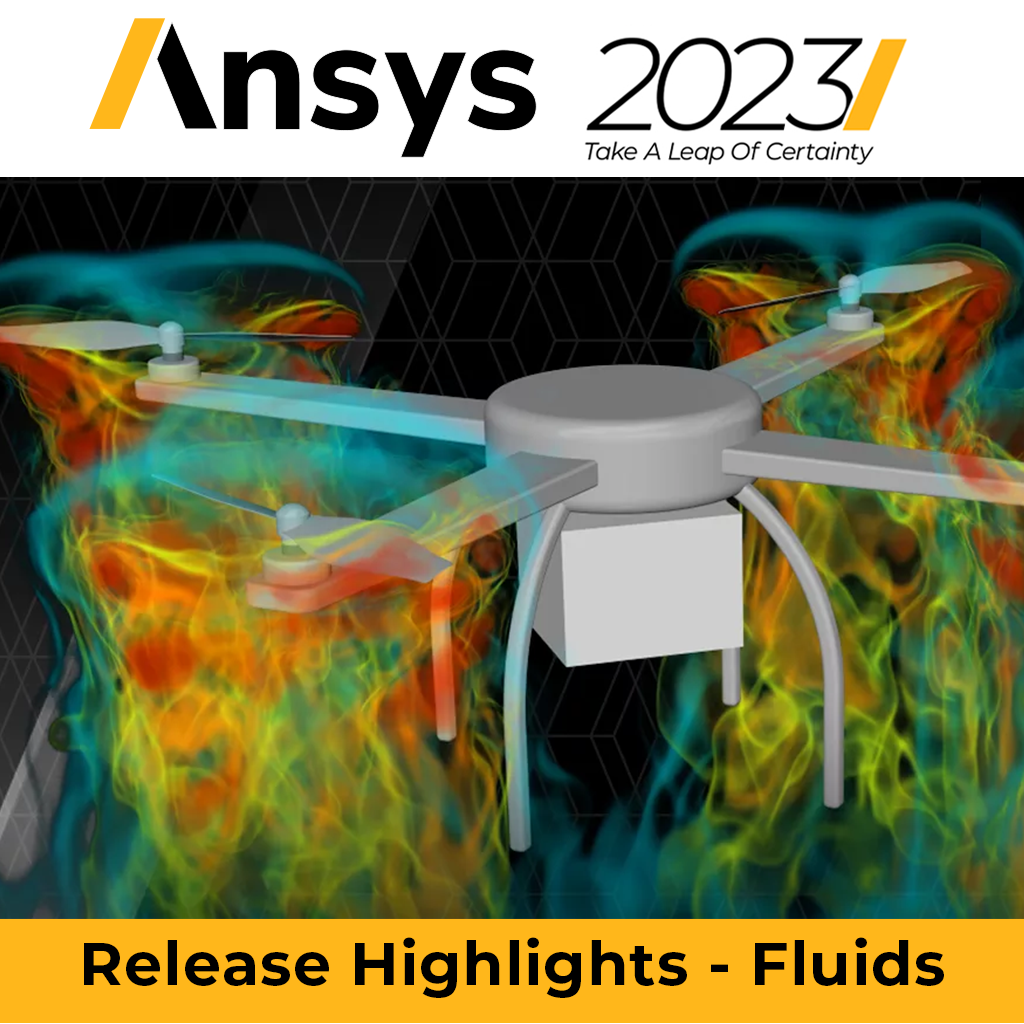
Ansys 2023 Release Highlights – Fluids
Recording from LEAP's recent series of Ansys 2023 R1 & R2 update seminars covering the latest updates in Ansys Fluids. Thes videos are from our Melbourne event, presented by Dr. Lewis Clark, LEAP's Fluids Technical Manager.
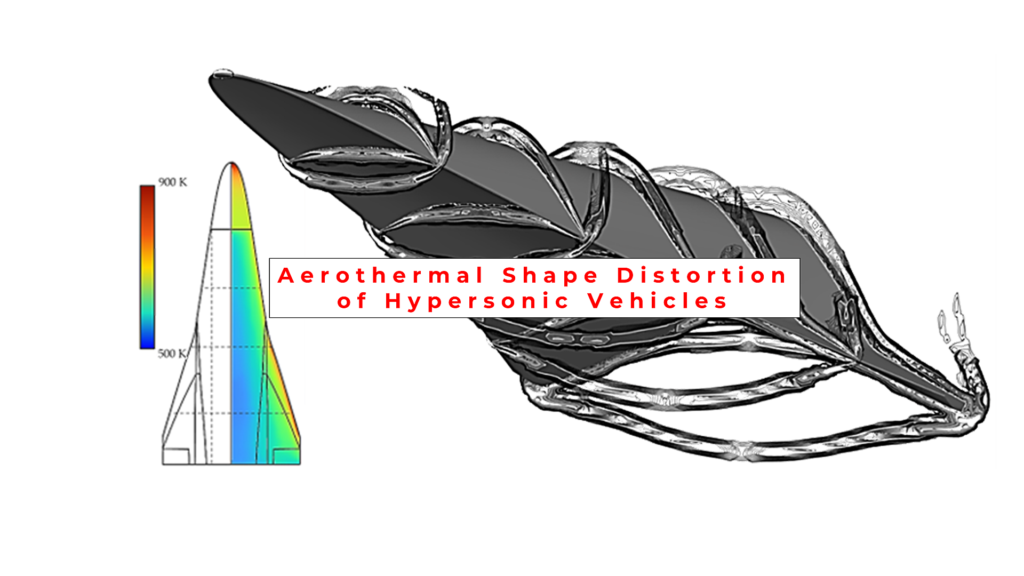
Simulating Aerothermal Shape Distortion of Hypersonic Vehicles
How can designers of hypersonic aircraft overcome the ‘heat barrier’ using simulation to better understand aerothermal shape distortion (aka aerothermoelasticity, or fluid-structural-thermal interaction - FTSI)? This guest blog by ADFA explains how multiphysics simulation helps designers of hypersonic vehicles account for aerothermal shape distortion (which can compromise a hypersonic vehicle’s aerodynamic performance) through to the risk of catastrophic material failures, using tools that can simulate both the aerodynamics as well as the thermal and structural response.
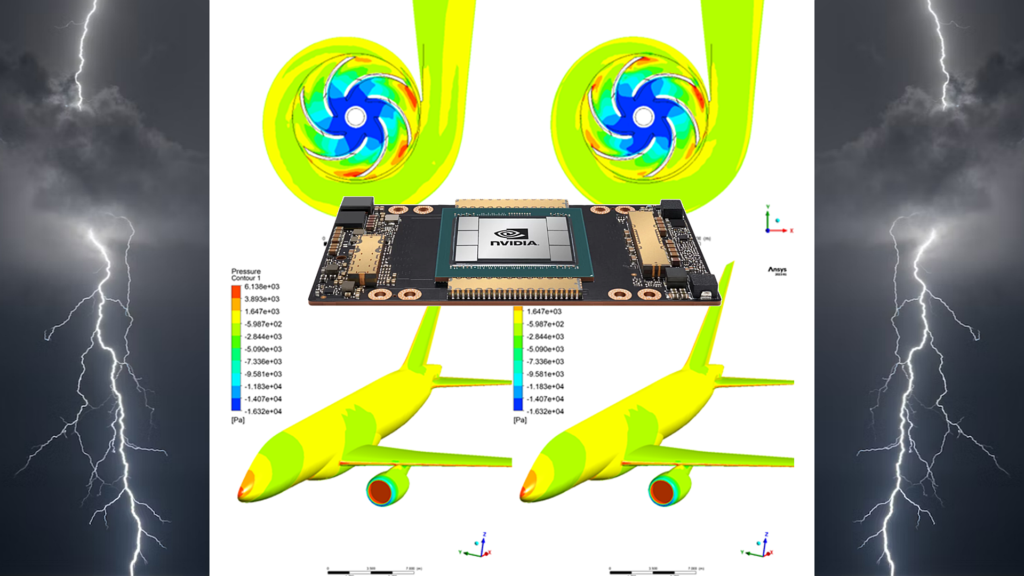
A look into the lightning-fast future of GPU-powered CFD
Here we benchmark Fluent's new fully-native GPU (Graphics Processing Unit) solver, available since the 2023R1 release, which has delivered impressive numbers on our tests that include both high-end (A100 GPU - over five times faster than a baseline using 80 CPU cores) and standard 8GB GPUs that are probably similar to one you're already using (still delivering a 3x3x speedup over an 8 core Intel Xeon W-11955M CPU).
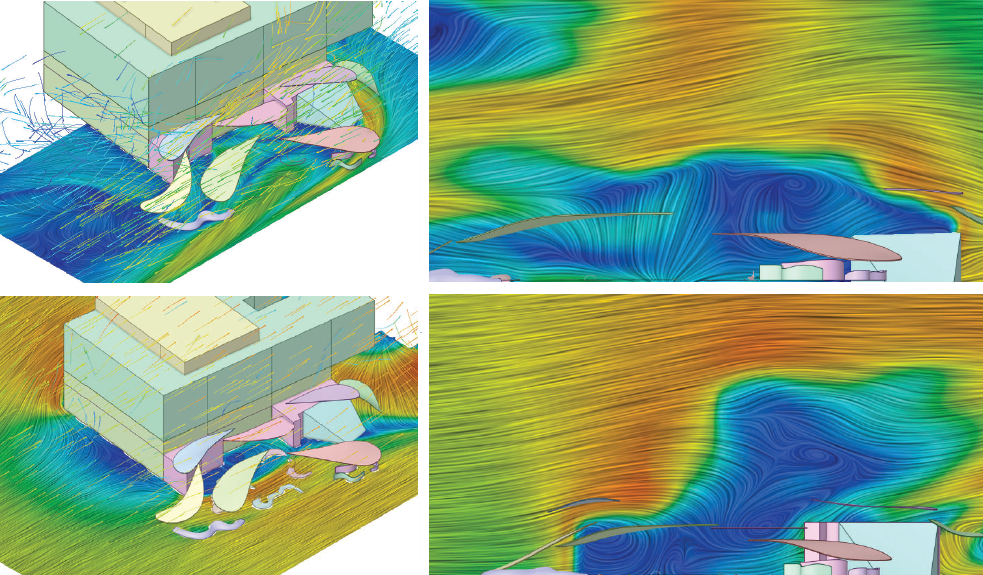
Exploring new ideas in Urban Design – a Q&A with Wendy Walls, Melbourne School of Design
Q&A with Wendy Walls whose research and teaching aims to deliver innovative design methodologies for urban open spaces, designed in response to a changing climate. Learn how Wendy's use of Ansys Discovery has provided an engaging way to teach landscape design students the critical concepts involving airflow and heat transfer in urban design.
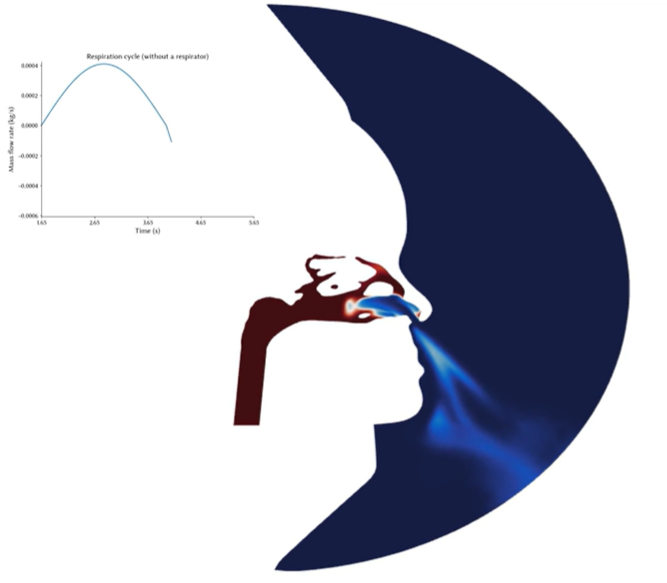
Highlights from SCONA 2023 – CFD of the Nose and Airway
Our curated highlights from a recent SCONA event (SCONA is the Society for Computational fluid dynamics Of the Nose and Airway) that illustrate the power of using CFD for applications relevant to our understanding of the nose and airway. SCONA 2023 was held recently in Brisbane, Australia.
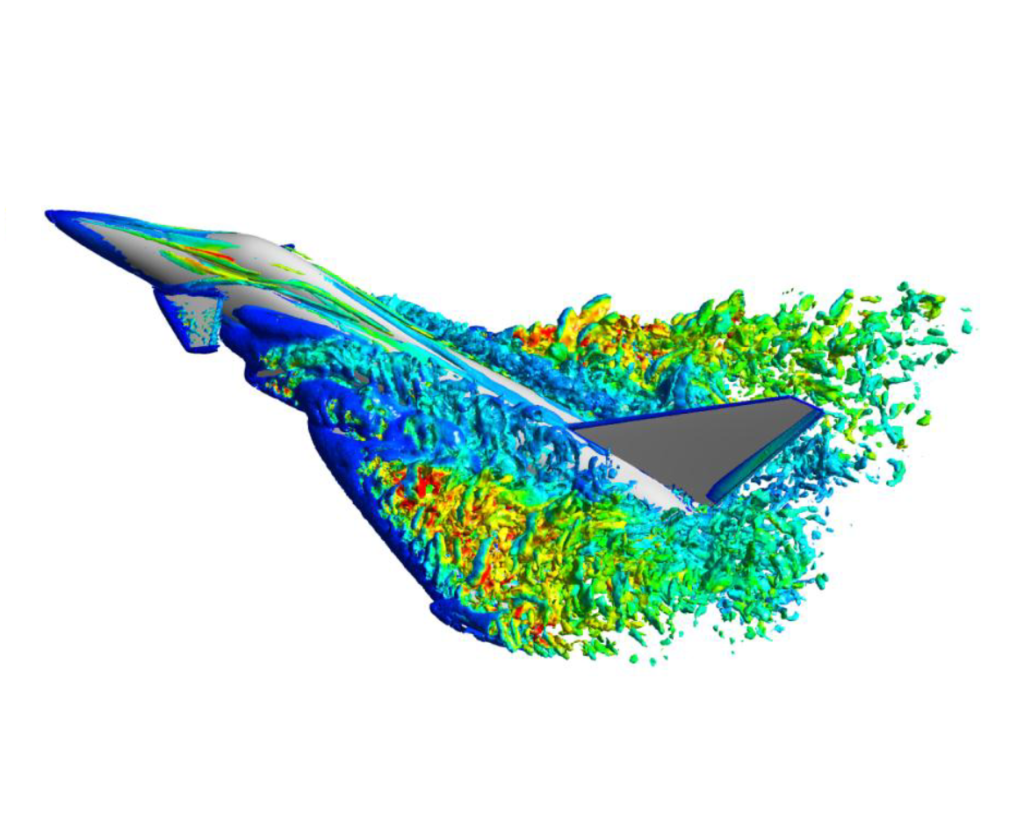
Guest Blog by Prof. David Fletcher: Importance of following Best Practices for Scale Resolving Turbulence Modelling
Guest Blog explaining the significance of the new Stress-Blended Eddy Simulation (SBES) turbulence approach which makes use of the best available models for both near-wall and far field accuracy, within one single scale-resolving CFD simulation, including a recording of highlights from our recent webinar.
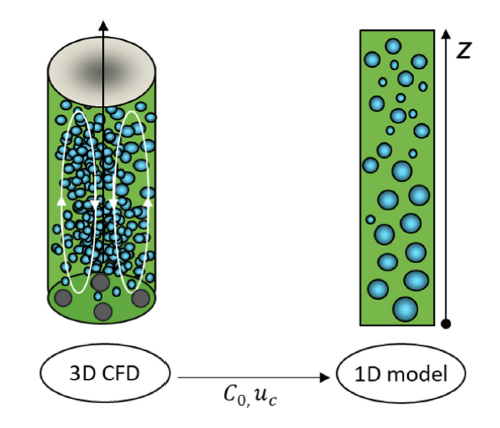
CFD Modelling of Biological methanation in bubble column reactors
Read how the advanced multiphase capabilities of Ansys Fluent (combining hydrodynamics with mass transfer and chemical reaction) are being used to model 3D bioreactors and used as inputs to validate simpler 1D models suitable for process design and optimisation using simpler, computationally faster models.

Behind the scenes of how Emirates Team New Zealand sailed to new wind-powered land speed record
The engineering behind the scenes of Horonuku – the successful attempt by ETNZ to break the wind-powered land speed record, drawing upon experience from engineers across ETNZ whose careers have focused on the complex physics of aerodynamics, dynamics, structural mechanics and composite materials.
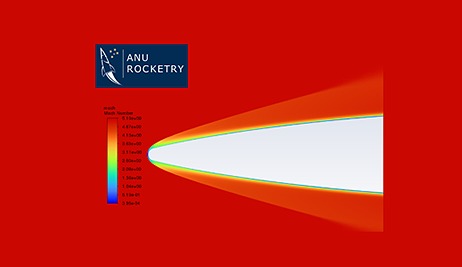
Guest Blog by ANU Rocketry: Democratisation of Space starts with university student teams
Founded in 2018 to participate in the Australian Universities Rocket Competition (AURC), students from the Australian National University’s (ANU) Rocketry team are striving to develop a rocket capable of passing the boundary of outer space and being safely recovered by parachute upon re-entry. This lofty goal has led the team to move away from commercially available solid-fuel propelled rockets to develop their own in-house designed bipropellant liquid-fuel engine, with the help of Ansys aerothermal analysis to predict the heat flux at the space rocket’s leading edges during its hypersonic ascent phase.
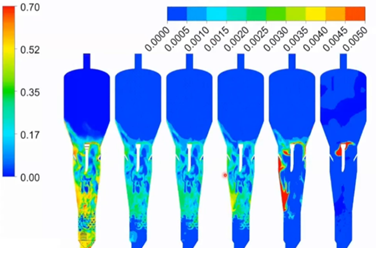
Guest Blog by CSIRO: Multiphase CFD in Minerals & Metal Processing
Multiphase flows form the basis of many important processes in the mineral processing, metal production, energy and chemical process industries. This guest blog from CSIRO describes how CFD modelling can be used to better understand these industrial processes, improve performance and develop new novel processes. Examples given include gas-liquid, gas-solid and gas-liquid-solid flows.
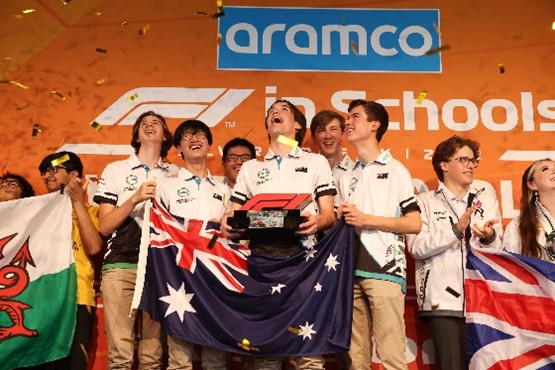
Congratulations Team Hydron - 2022 F1 in Schools World Champions!
Guest blog by Team Hydron - read how Australia's leading F1 in Schools team used Ansys and KeyShot software suites to elevate their engineering & design process and develop a vehicle that would win the Best Engineered and Fastest Car awards at the 2022 World Finals.
What’s new in Ansys for universities and academic researchers?
Highlights from a recent webinar by LEAP’s expert simulation team covering the most significant updates in Ansys for educators and academic researchers in ANZ - with a focus on Fluids, Structures and Electromagnetics across the last 2-3 years.
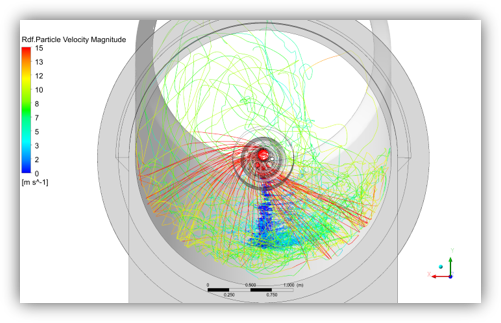
Guest blog by FCT Combustion: How CFD helps develop tailored burner designs for Alternative Fuels
Guest Blog highlighting the use of CFD on a real-world burner optimisation project that allowed FCT’s client to increase their use of alternative fuels while solving an issue of costly shutdowns due to kiln build-up. CFD also enabled implementation of a new burner design that improves clinker quality and production.
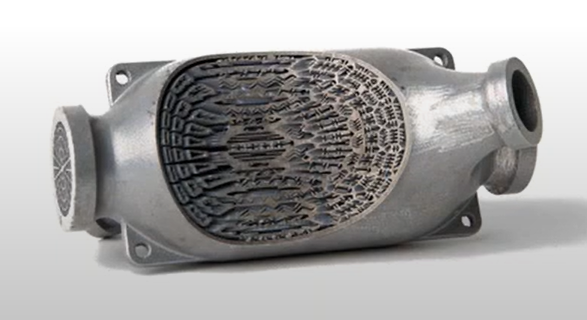
Heat Exchange CFD Calculations at Conflux Technology
This blog provides highlights from Conflux’s presentation on their CFD heat exchange calculations at the 2021 Australasian Ansys Fluids user group. Learn how a mix of design engineers, simulation experts and additive manufacturing specialists are creating cutting-edge heat transfer solutions with the aim of revolutionising the heat exchange technologies used across many industries.
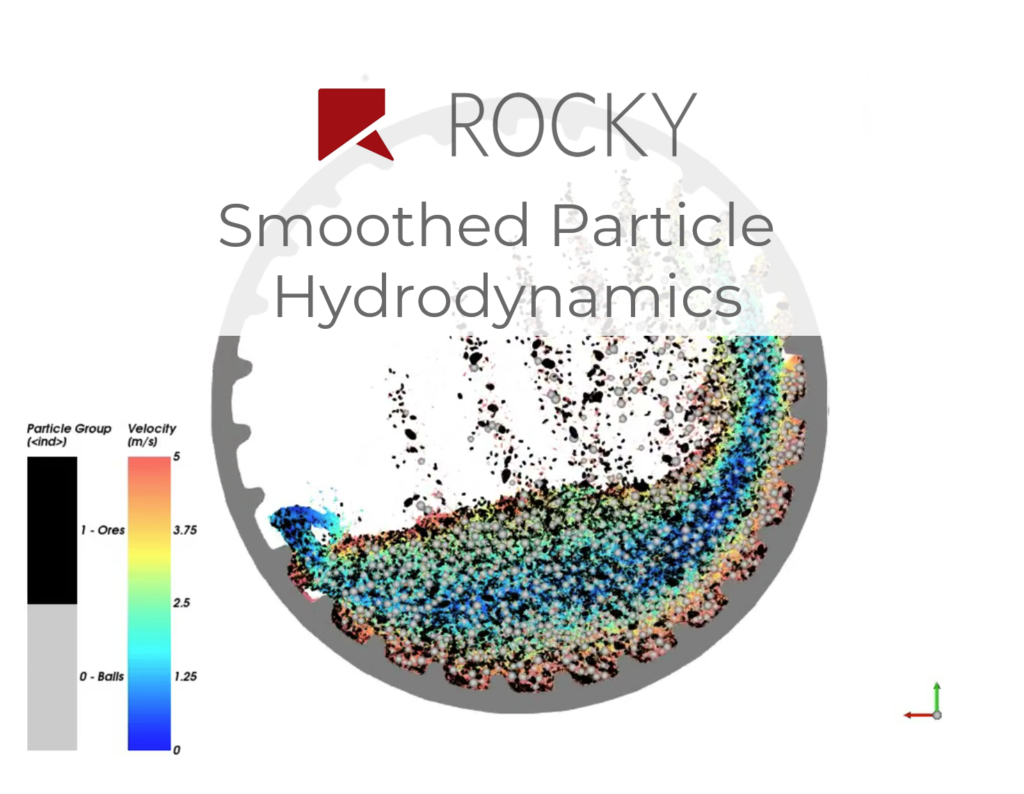
Integration of Smoothed Particle Hydrodynamics (SPH) expands simulation possibilities in Rocky DEM
Learn how Rocky 2022R1 now offers an integrated Smoothed Particle Hydrodynamics (SPH) method to help simulate the interaction of solid particles with fluids with high viscosity, high deformation and/or complex free surfaces.
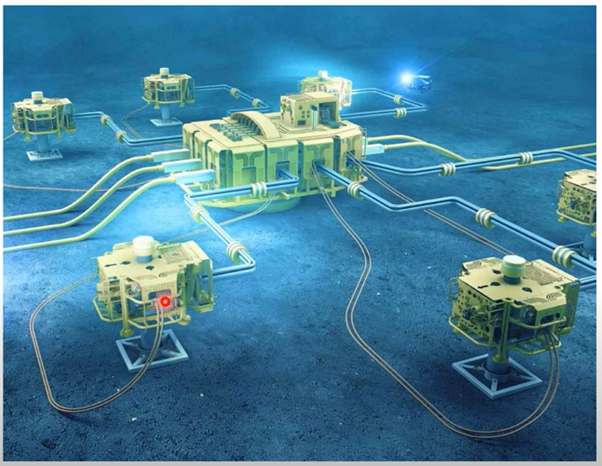
Guest Blog by Wood Australia: Transient CFD analysis of cooldown of Subsea Christmas Tree
Guest Blog by Wood Australia. Edward Yap, CFD Consultant and Deepak Jagannatha, Lead CFD Consultant, recently presented this in-depth look at their analysis of a Subsea Christmas Tree, commonly used in the Oil and Gas industry, as part of LEAP’s Ansys CFD Virtual User Group meeting.
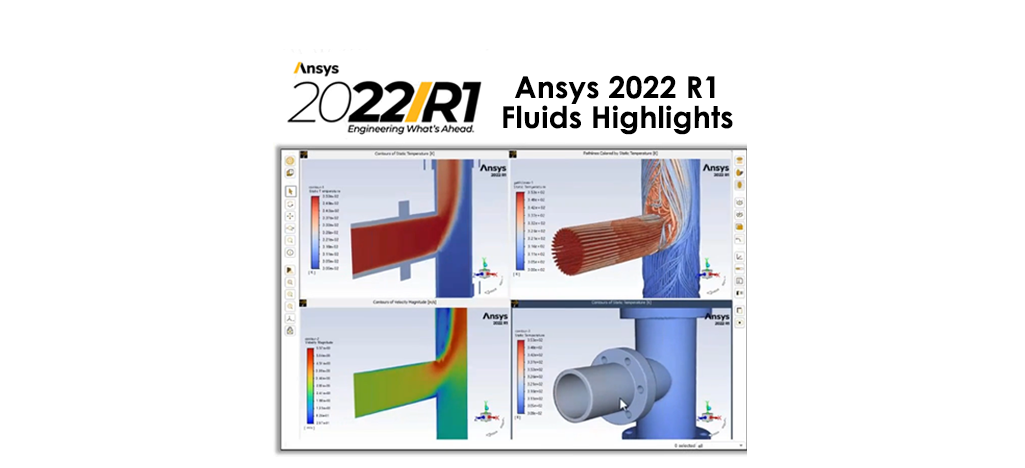
Ansys 2022 R1 Fluids Update
Ansys 2022 R1 is now available - watch our recent update session with Prof. David Fletcher who discussed the new features of greatest interest to our customer base, including improvements in performance, usability, speed and model physics.
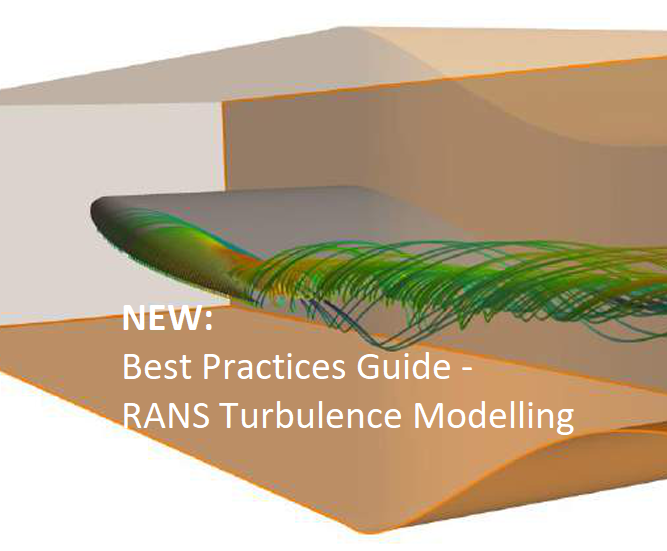
How to Benefit from Decades of Experience in Turbulence Modelling
David Fletcher from LEAP discusses the importance of the 3rd Turbulence Best Practices guide recently released by Florian Menter and his team at Ansys.
This latest BPG documents the key best practices in RANS turbulence modelling, with comprehensive coverage of all widely-used 1-equation, 2-equation and Reynolds stress models.
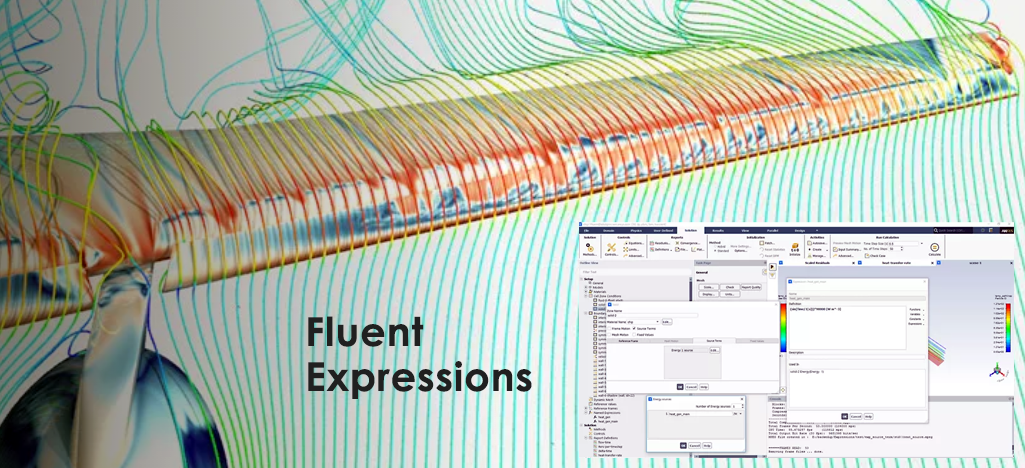
How to Use Expressions in Ansys Fluent (and convert from CEL)
Summary of a recent webinar presented by Prof. David Fletcher on how to take advantage of the powerful python-based expression language now available in Ansys Fluent. Examples shown included the use of expressions starting from scratch, plus examples showing how to convert your existing CFX CEL into Fluent expressions.
Guest Blog by ECU-R: Analysing F-SAE Aerodynamic Flow Fields Using CFD
Guest blog by ECU-Racing on how the team uses CFD simulation to drive aerodynamic design improvements, explaining how CFD simulation results provide help identify problematic aspects such as flow separation, undesirable flow structures, and poor use of flow energy which can then lead to new ideas which can be tested in CFD to improve the overall flow around the car.
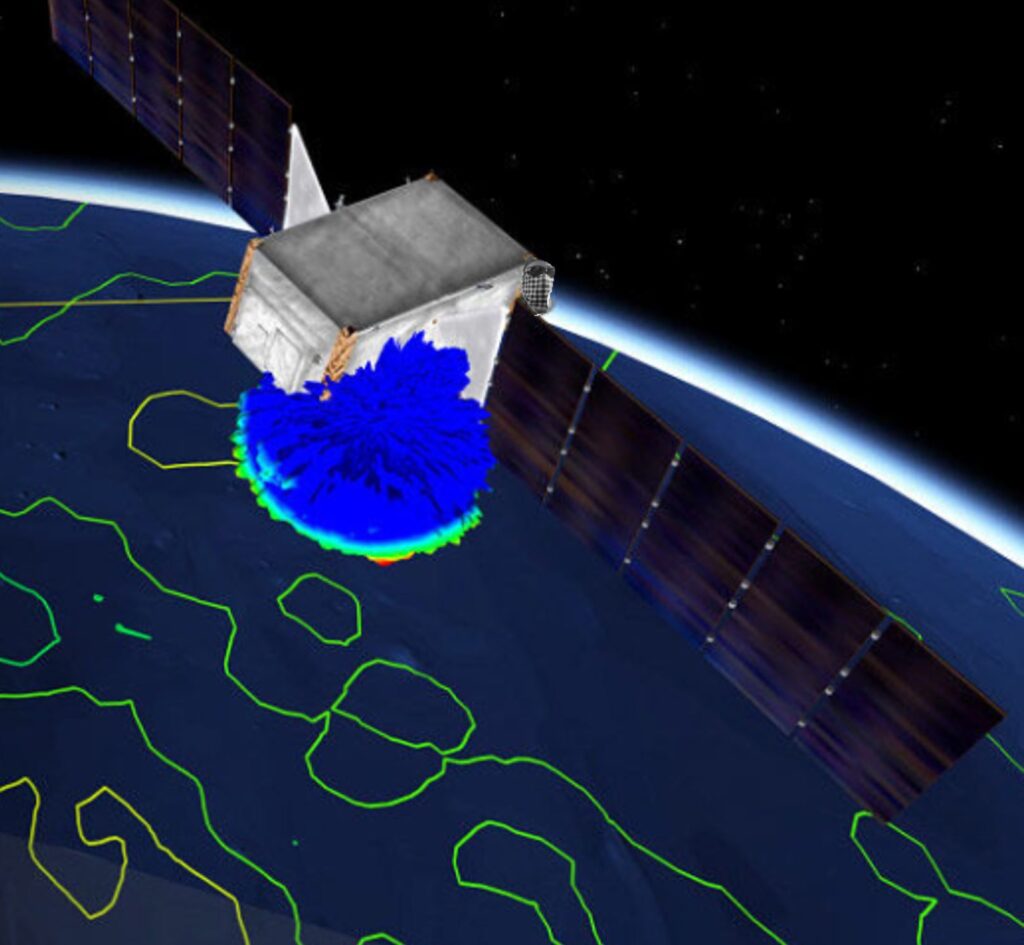
Helping EO/IR Sensors to accurately detect & track hypersonic vehicles
Learn how recent developments in Ansys provide a new “optical CFD” workflow to help more accurately simulate the complex interactions between the flowfield and electromagnetic fields in the Electro-Optics / Infra-Red (EO/IR) range. This helps engineers to improve their simulations of flow field phenomena around fast-moving vehicles and improve the performance of EOIR sensor signals for tracking hypersonic vehicles.
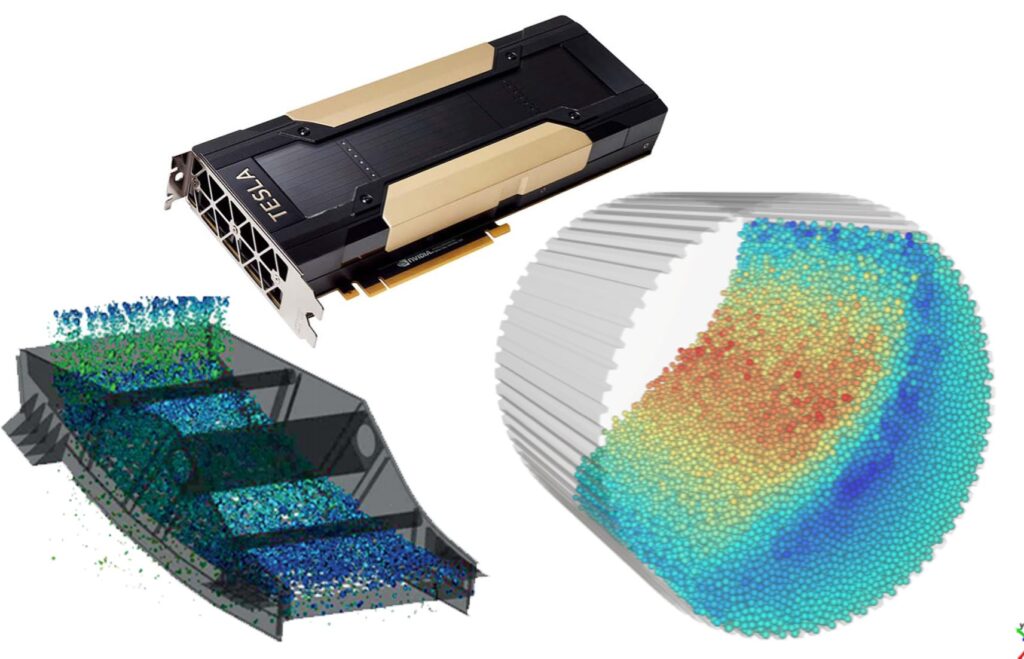
Finding the sweet spot with GPU vs CPU hardware for faster processing in Rocky DEM
Engineers running particle simulations now not only demand faster solution times but also want to increase the fidelity of their DEM simulations using millions more particles. Fortunately, advances in GPU capabilities have meant that Rocky DEM customers can take advantage dedicated GPU-based solvers - but what is the hardware sweet spot for different problem sizes? Here we review a comprehensive set of benchmarks completed by the Rocky DEM developers comparing solve times on CPUs vs GPUs.
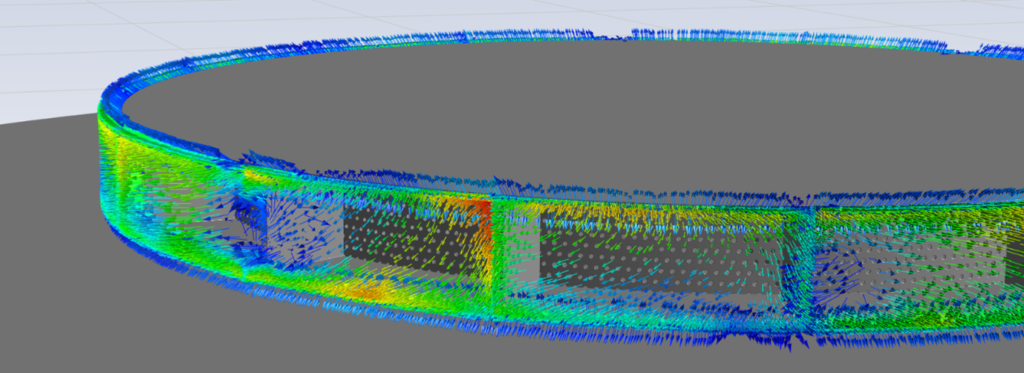
Guest Blog by RayGen: Powering a renewable energy future with simulation
RayGen explains their vision to accelerate the global transition to renewable energy and how they are using CFD simulation to deliver innovative solar infrastructure projects such as their unique ‘PV Ultra’ concentrated PV technology that provides dispatchable electricity, heat, cooling and desalinated water, all day and night.
LEAP's Highlights from Ansys 2021 R2 Fluids release
Prof. David Fletcher guides us through the key new features of interest in Ansys 2021 R2 for CFD, including some important new usability enhancements. This blog contains a series of short summaries with content tailored to particular physics / applications / topics of interest.
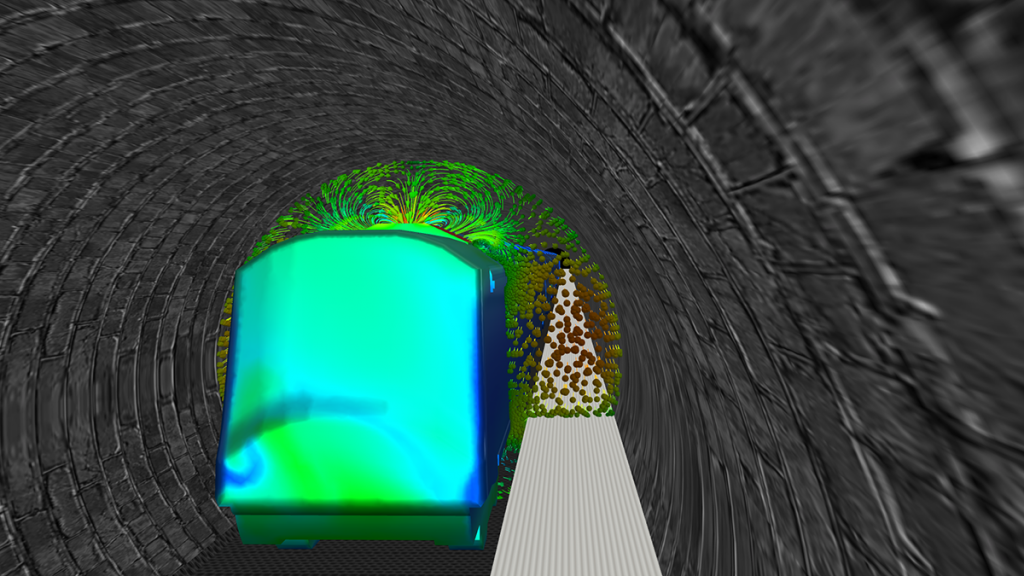
Meet the Expert Q&A: CFD in Tunnel Ventilation scenarios
Learn how simulation plays a vital role in the design phase for many infrastructure projects such as tunnels, with the ability to test various design configurations and verify performance virtually, without build-and-test methodology, providing cost savings and faster project delivery.
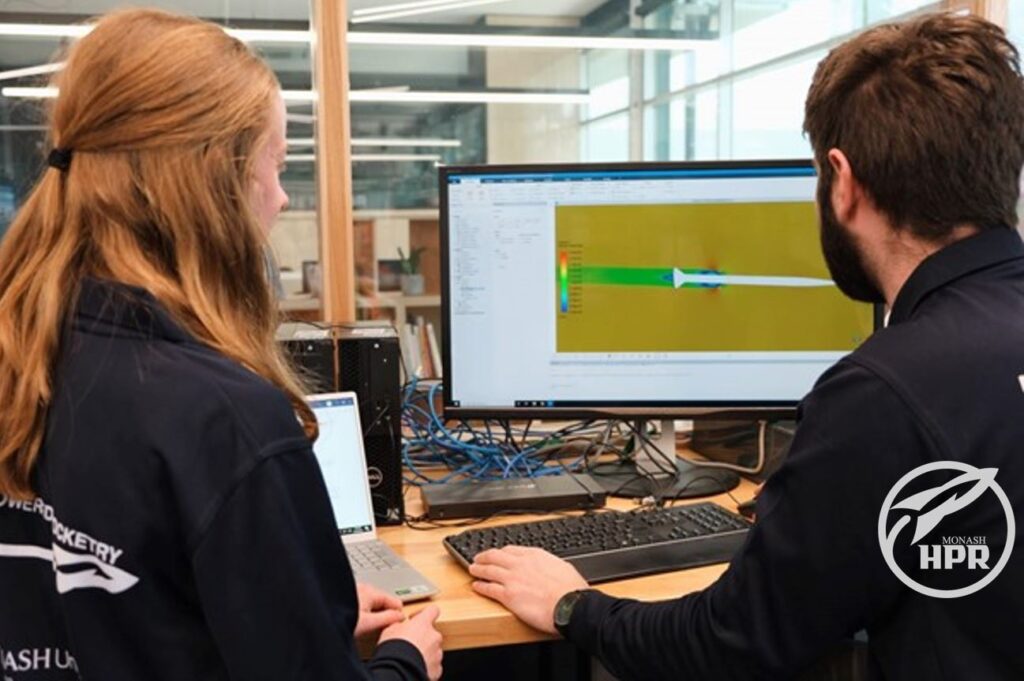
Monash High Powered Rocketry blasts onto the world stage
Read about Monash High-Powered Rocketry's amazing achievement to win second place in its category at the 2021 Virtual Spaceport America Cup - including an acknowledgement of their quality simulation work, with first place in the Charles Hoult Award for Modelling and Simulation.

Q&A with Douglas: My experiences working with ETNZ in leadup to the 2021 America's Cup
Q&A with Douglas Weber-Steinhaus from Ansys to learn about his experiences working with ETNZ in Auckland in the leadup to the 2021 America's Cup (which starts next week!)
LEAP's Highlights from Ansys 2021 R1 Fluids release
Ansys 2021 R1 brings a multitude of new advances and usability enhancements. - here we provide a series of short highlight summaries with content tailored to particular physics / applications / topics of interest.
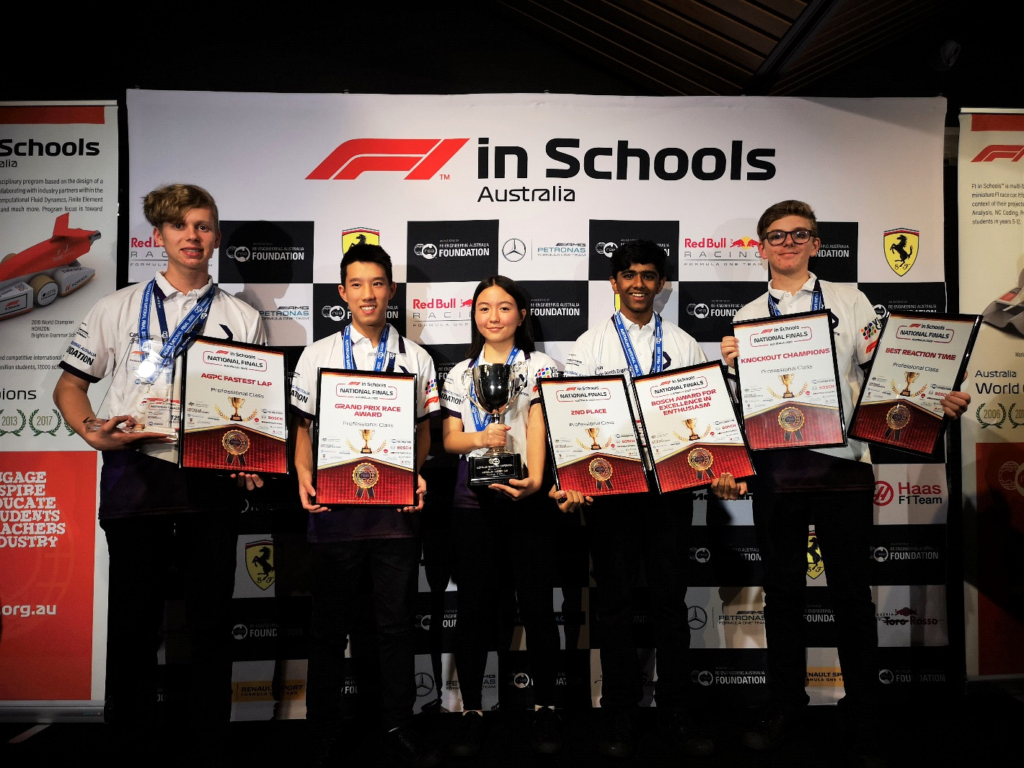
F1 in Schools spotlight: Dark Matter takes Australia’s fastest car to 2021 World Finals
F1 in Schools Spotlight: Dark Matter Racing explain how they were able to use CFD to engineer Australia’s fastest F1 in Schools car (plus a host of other awards) at the 2020 National Finals, and look ahead to their next competition, the 2020(21) World Finals.
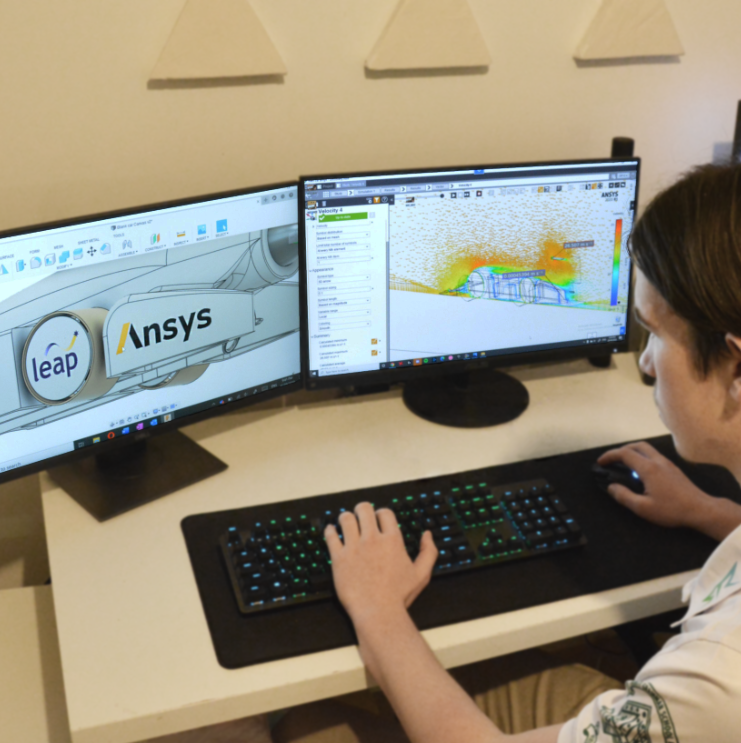
F1 in Schools spotlight - Team Hydron racing into 2021 National Finals
F1 in Schools Spotlight: After achieving great success at the 2020 Virtual Victorian State Finals where they placed first overall and were awarded 11 of 13 category awards including Best Engineered and the Innovation Award, Team Hydron describe the many hours of CFD testing and design conducted by their engineering team, supported by LEAP Australia and Ansys.
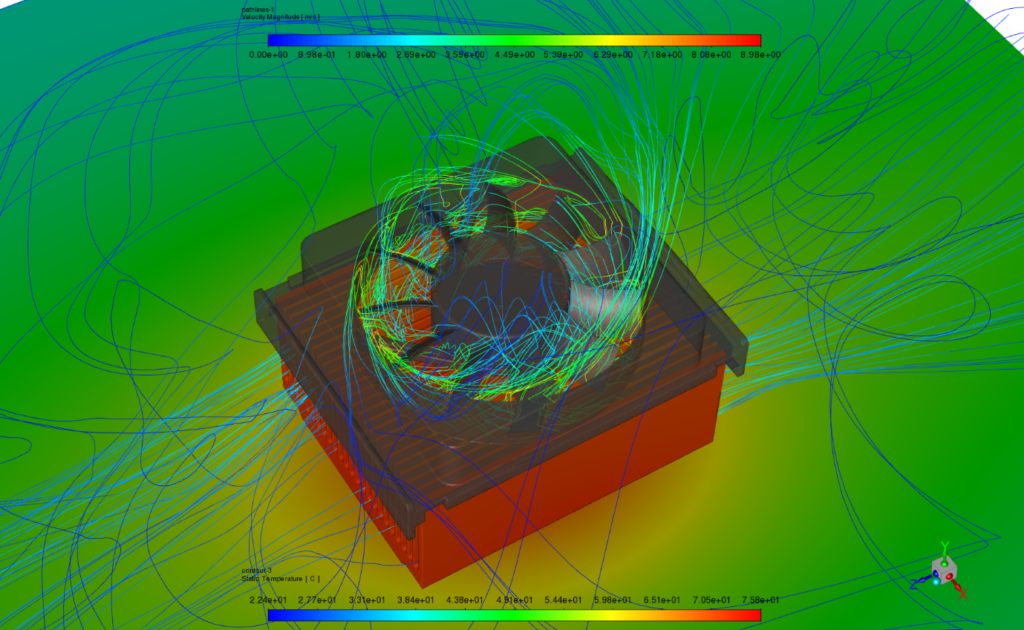
2021 New Product Spotlight: Ansys CFD-Pro
Ansys CFD tools in 2021 have taken another large step forward with the availability of a new product, named “Ansys CFD-Pro” - which provides our customers with the right tools to tackle a range of common CFD applications at a significantly more affordable price than the full Ansys CFD Premium package, but still using the same modern Fluent workflow, meshing technology, and core Fluent solver that has been trusted by our customers worldwide for many decades.
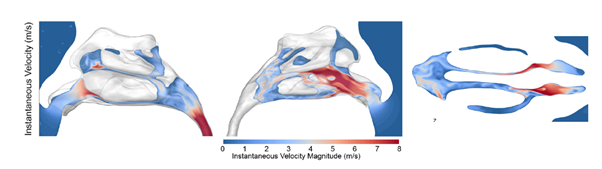
Do you smell what I smell? How nasal geometry affects airflow dynamics
A recent CFD study examines the relationship between nasal shape and the turbulence of airflow in the nose to help better understand olfaction and improve nasal drug delivery.
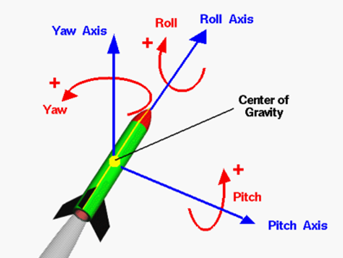
Guest Blog by USYD Rocketry Team: Reaching for the Skies
Guest Blog by USYD Rocketry Team (URT) who use simulation in their development of high-power sounding rockets to compete in the Australian Universities Rocketry Competition (AURC) and Spaceport America Cup. URT was the first Australian team to compete and took first place in the 10,000 ft COTS category with their Silvereye rocket.
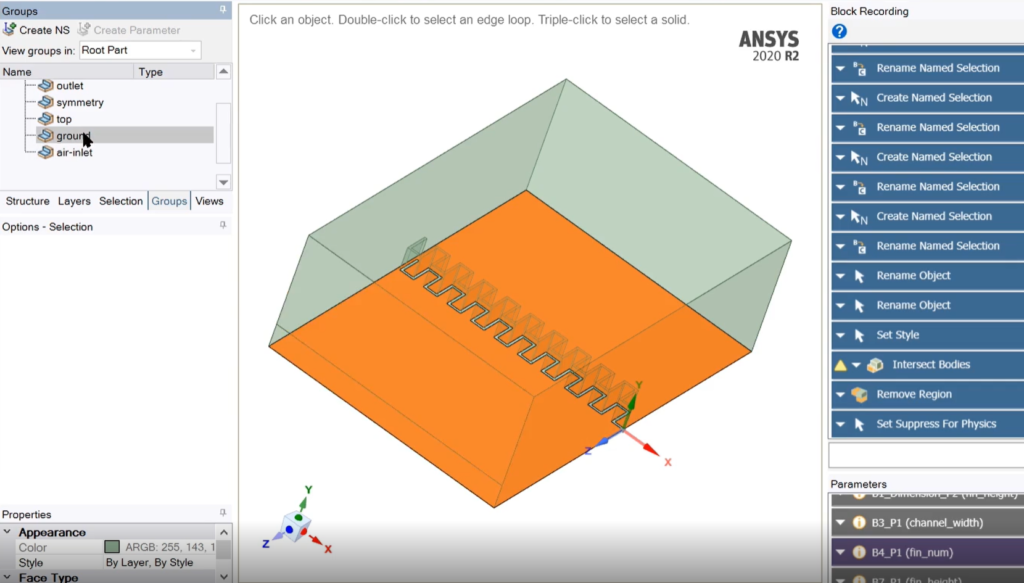
Using scripted “Record Blocks” to allow geometry parameterisation in SpaceClaim
How can CAE users make the most of the new scripting capabilities available in SpaceClaim 2020R2 to help efficiently automate the generation of new geometry designs? We look at how to create design templates that can automatically generate different designs, simply by modifying a few key parameters.
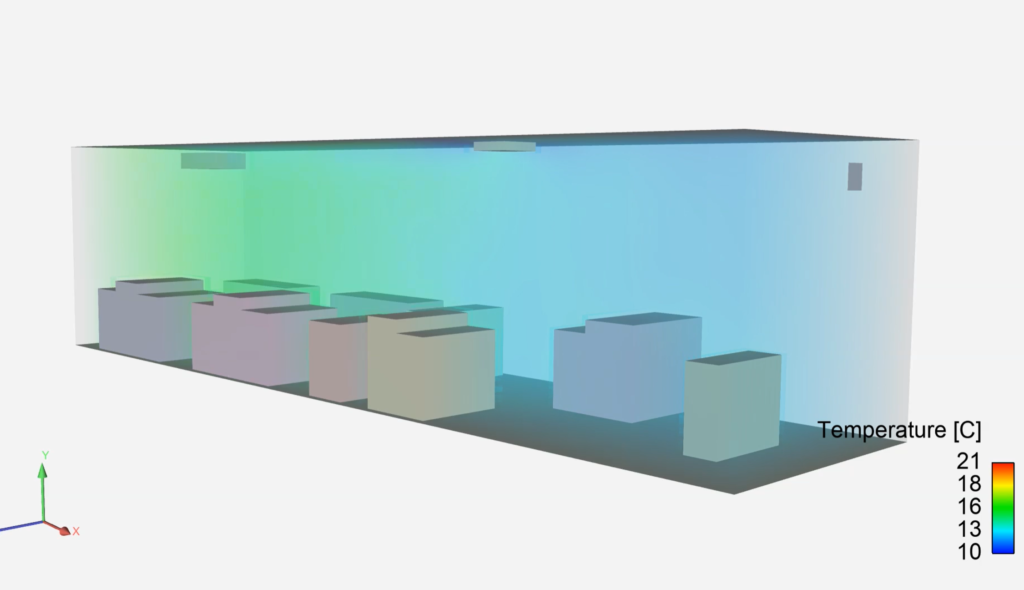
Improved Fluent user experience & expressions for HVAC applications
We look at recent improvements in Fluent's GUI and expressions which help streamline workflows for HVAC applications, such as those involving flow balancing, temperature monitoring and control. We apply this to an example involving two types of air handling unit for cooling a room containing heat-generating equipment.
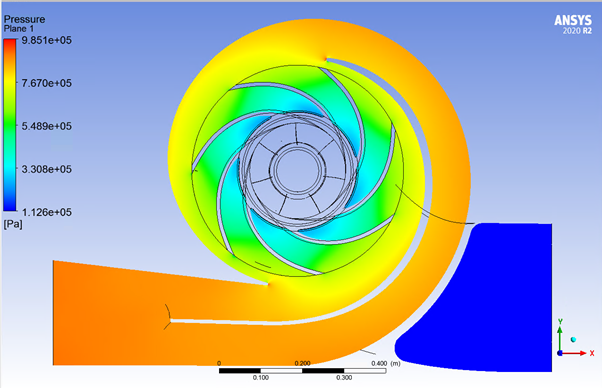
How to Improve Pump Efficiency through CFD Simulations
In order to improve pump efficiency, pump designers require fine-grain insights into complex fluid dynamics within a pump to help them identify areas that can be refined to reduce losses during pump operation. In this example, we look at the workflow to improve an existing pump’s design without requiring the original CAD drawings – instead using scanned data of an existing pump design.

I landed my dream job and then COVID-19 hit
We speak with Khesh Selvaganapathi, Graduate Application Engineer at LEAP who recently graduated as a Mechanical Engineer from Monash University & joined LEAP at the start of March 2020 - just a few weeks before the COVID-19 pandemic began causing widespread disruption and forced most LEAP staff to work from home...
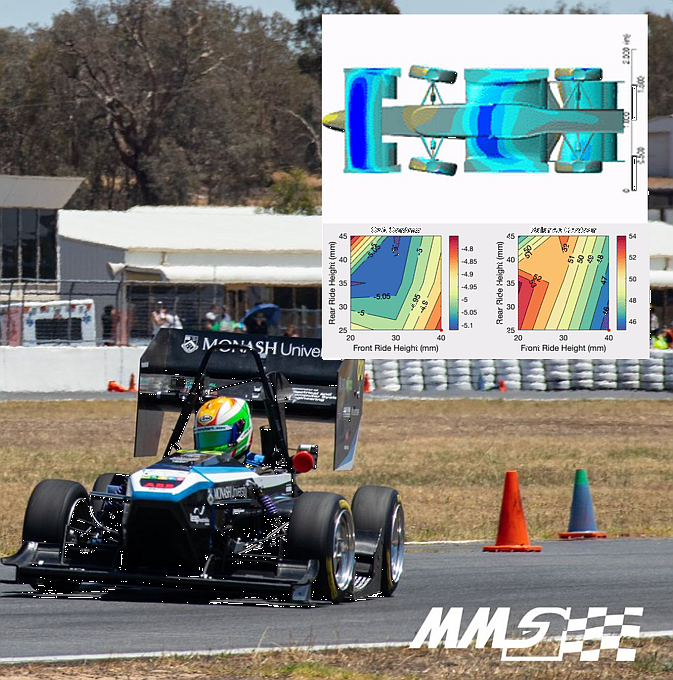
Guest Blog by MMS: Aero Mapping for Formula-SAE using CFD
Monash Motorsport has been designing Formula Student cars with wings and diffusers for many years, but this process has been fast-tracked through greater automation of Ansys CFD simulations to help the team gather more simulation data points & generate a comprehensive aero map to analyse the impact of changes in vehicle roll, yaw, steer and ride height.
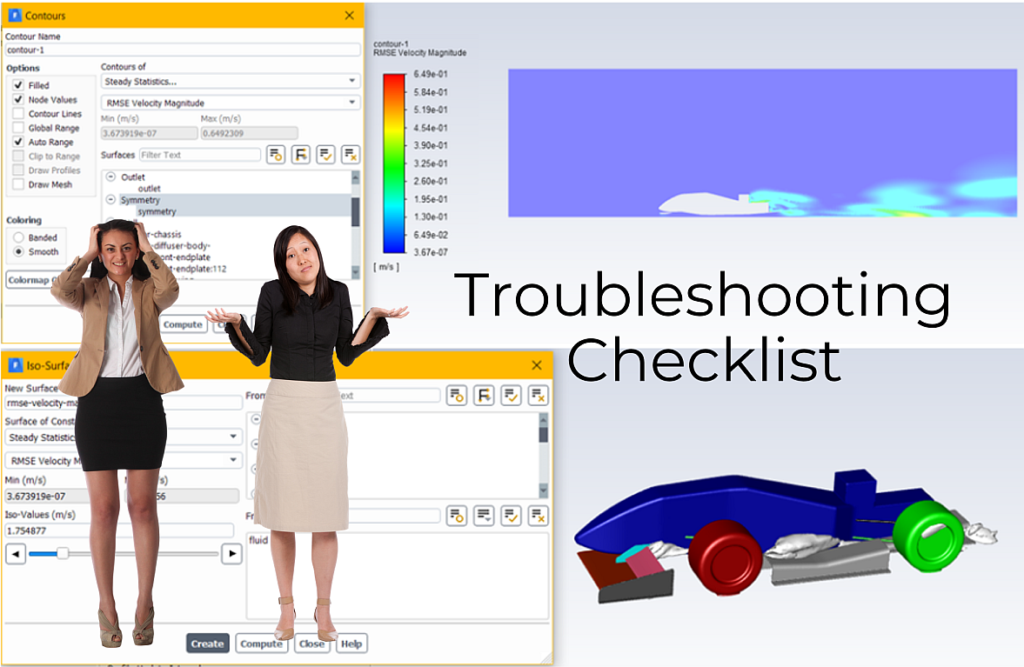
Is your CFD simulation misbehaving? A troubleshooting checklist for challenging problems
For the times when your CFD simulation is diverging or not behaving as expected, we offer a helpful checklist to systematically troubleshoot what is going wrong and successfully tackle the most challenging CFD problems.
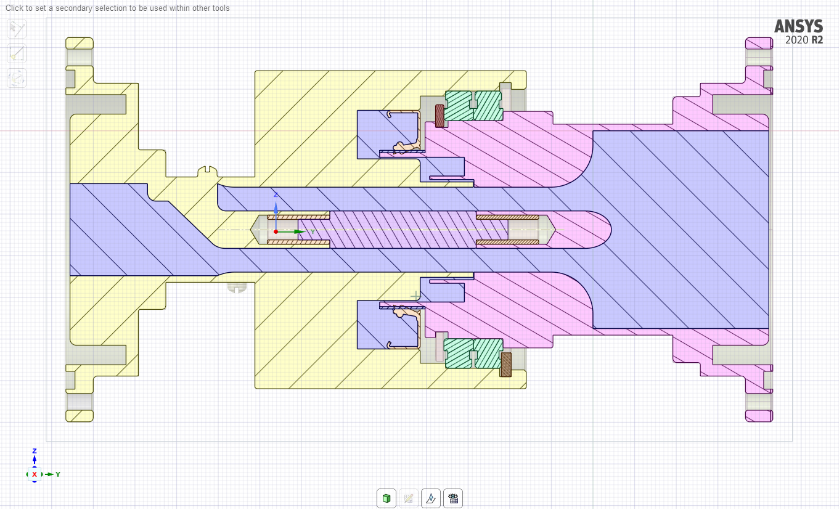
Supercharge your Geometry Model Preparation with Ansys SpaceClaim Scripting
Ansys SpaceClaim has long been the preferred tool for engineers to prepare CAD for simulation. With the release of Ansys 2020 R2, new advances have...
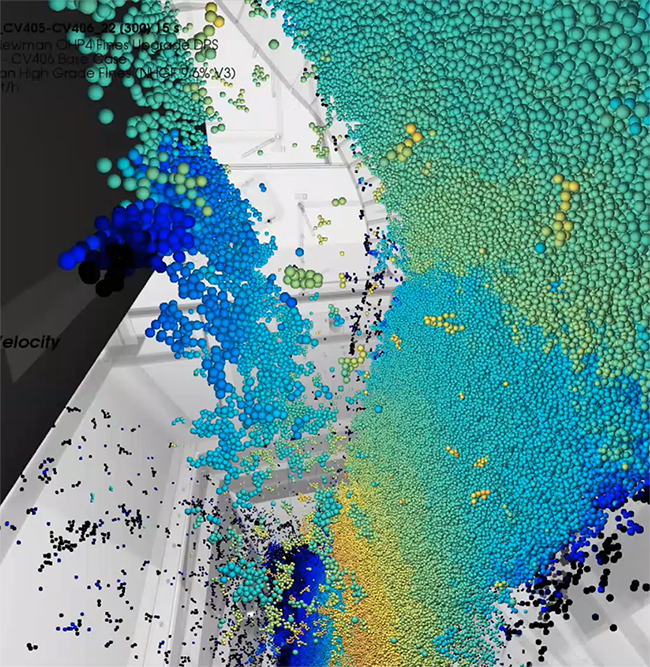
Rocky DEM Materials Calibration
Rocky DEM is a high fidelity particle simulation program that quickly and accurately simulates particle behaviour within bulk materials handling systems used across a variety...
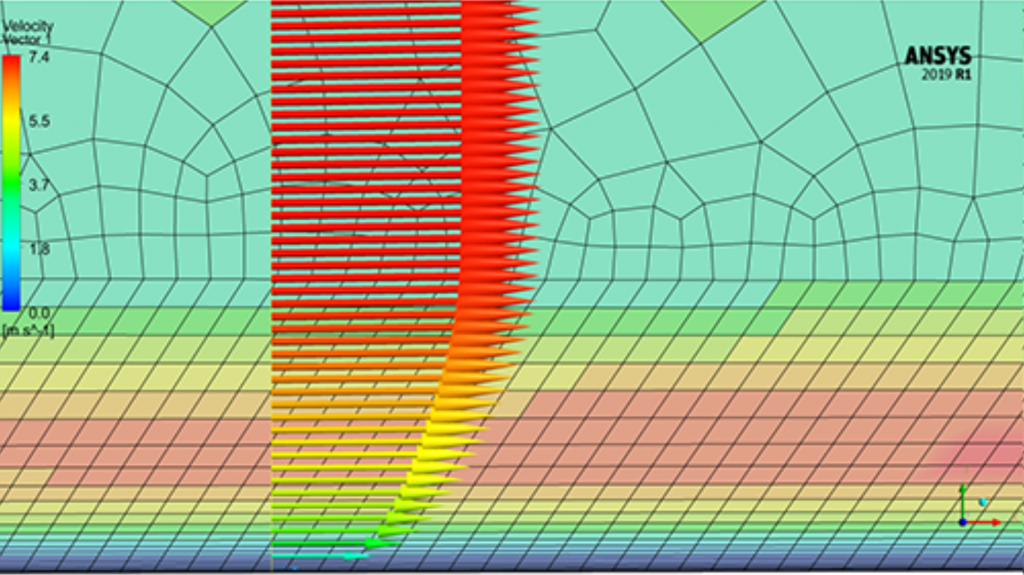
What y+ should I use? Part 3 - Understanding impact of Y+ and number of prism layers on flow resolution
This blog series focuses on a common question: What y+ should I use in my simulations? This is the final part (Part 3) in the series – Understanding impact of Y+ and number of prism layers on flow resolution in our CFD simulations
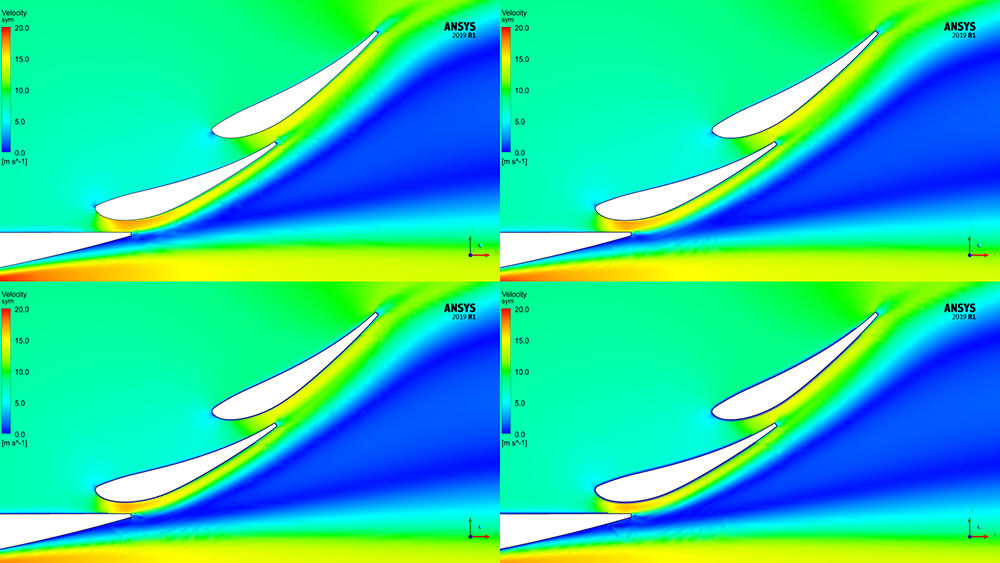
What y+ should I use? Part 2 - Resolving each region of the boundary layer
This blog series focuses on a common question: What y+ should I use in my simulations? This is Part 2 in the series – Resolving each region of the boundary layer.
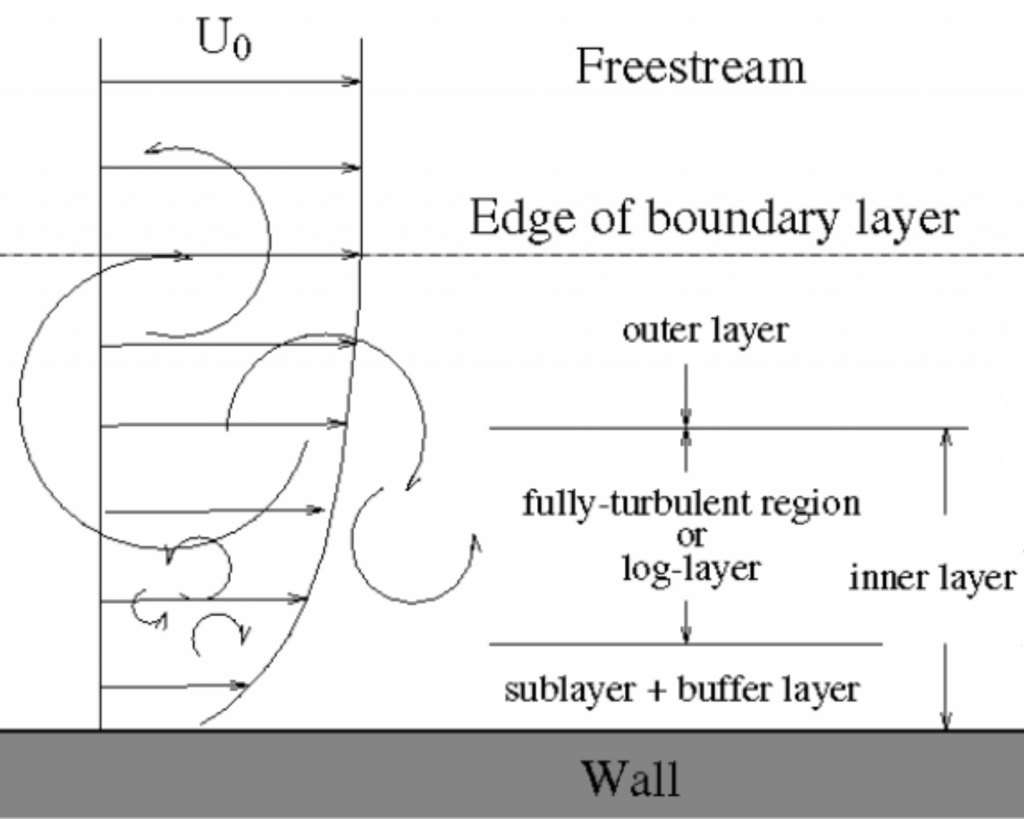
What y+ should I use? Part 1 - Understanding the physics of boundary layers
This blog series focuses on a common question: What y+ should I use in my CFD simulations? This first post is designed to help you understand the physics of boundary layers in relation to CFD meshes and Y+ values.

Launch of LEAP Learning Hub
LEAP Australia is committed to the growth of CAE software and simulation tools within the engineering and design community across Australia and New Zealand. Support and training of our customers and students form a vital part...
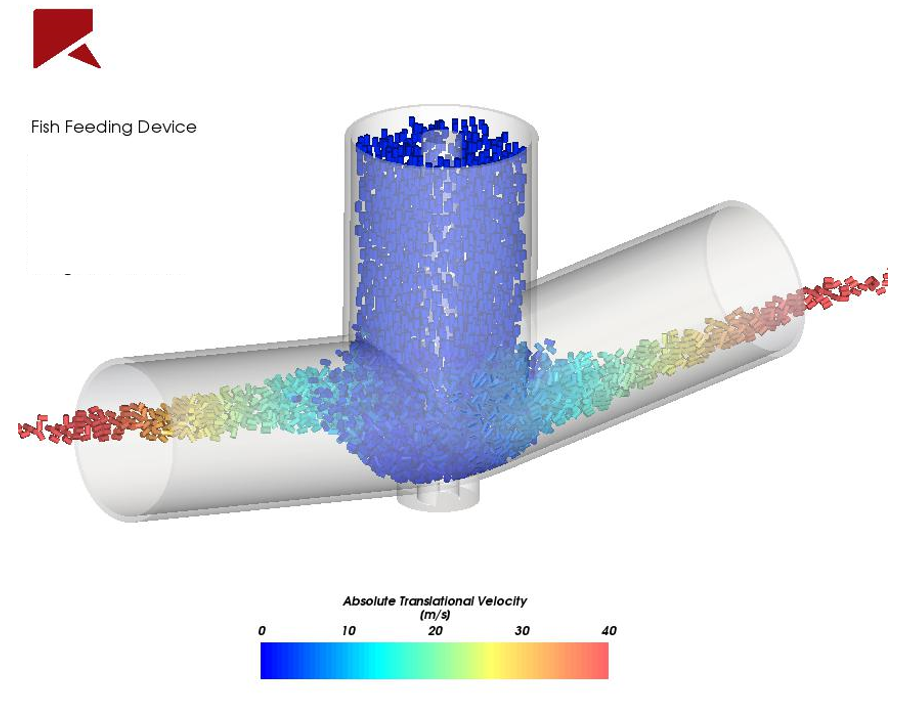
Integration of Rocky DEM + Ansys for Particle-Fluids systems
Rocky is a powerful, 3D DEM program that quickly and accurately simulates particle behaviour within bulk materials handling systems used across a variety of industries...
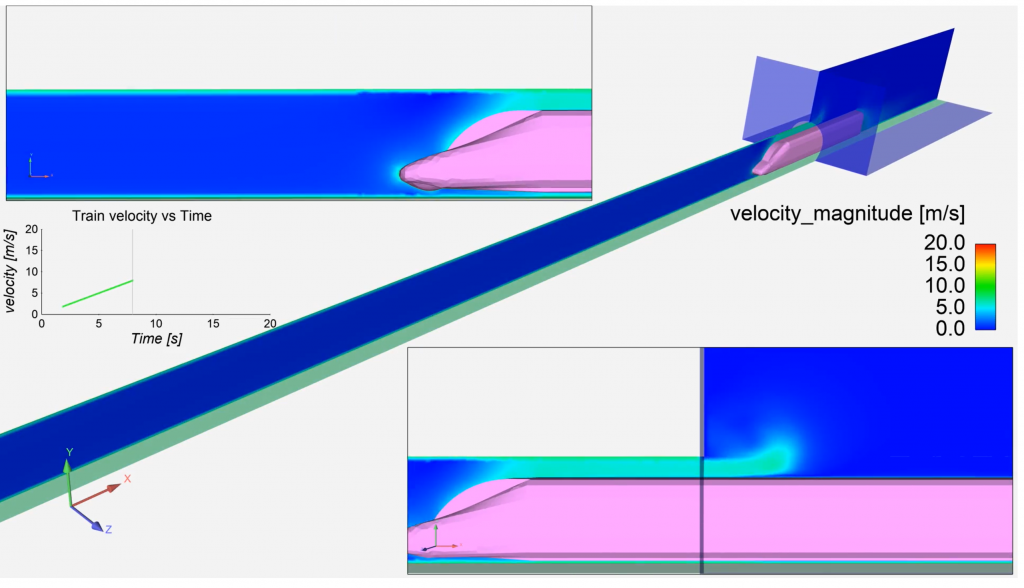
Dynamic CFD Simulations for Rail Tunnel Ventilation
Ensuring adequate ventilation is a critical challenge when designing rail tunnels. How can CFD be used to accurately size the ventilation fans while accounting for the movement of trains through tunnels at high speeds?
Helpful Tips for working remotely with ANSYS software
In these unprecedented times with many working from home due to the global COVID-19 pandemic, our team at LEAP Australia has put together some tips to help you continue using Ansys CFD software while working remotely.
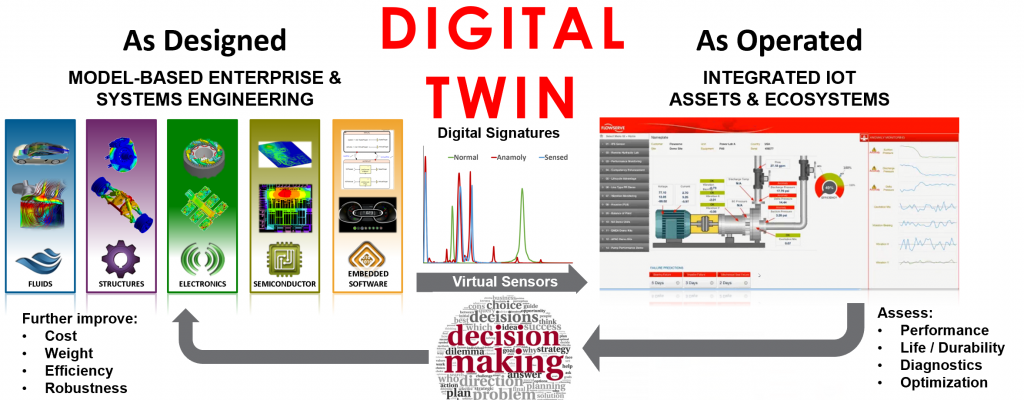
A working example of a Simulation-enabled Digital Twin
Is your company developing a Digital Twin strategy? LEAP’s engineers have created working examples of a Simulation-based Digital Twin in action - a real-time, virtual replica of your equipment constantly updated through IoT data that provides you with:
- insight into real-time performance using extra Virtual Sensor outputs
- data to assess machine health & identify possible failure conditions
- actionable data to enable predictive maintenance & avoid costly downtime.
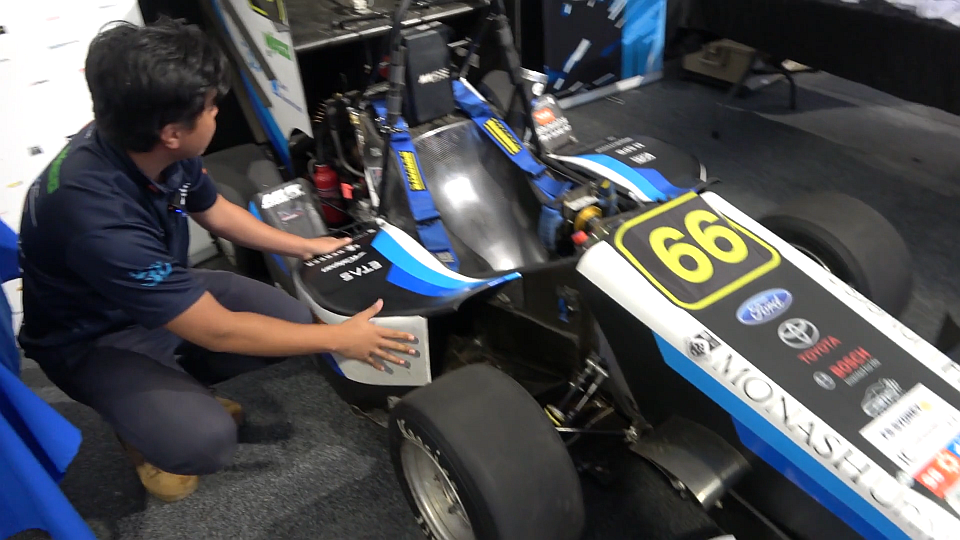
Student teams are ground zero for next-generation of simulation engineers
As we post this blog, hundreds of students are gathering at Winton Motor Raceway, north-east Victoria, for the 2019 Formula-SAE Australasian competition, taking place from...
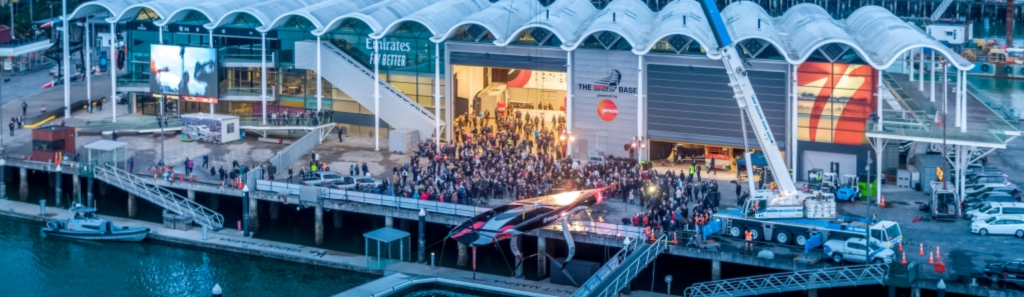
Congratulations to Emirates Team New Zealand for hitting major milestones in the leadup to the 36th America's Cup
Highlights from the official launch of ETNZ's Boat 1 "Te Aihe" including insights from the sailors and CEO about the development of their AC75 class foiling monohull, along with early footage of their first foil during first day's sailing.
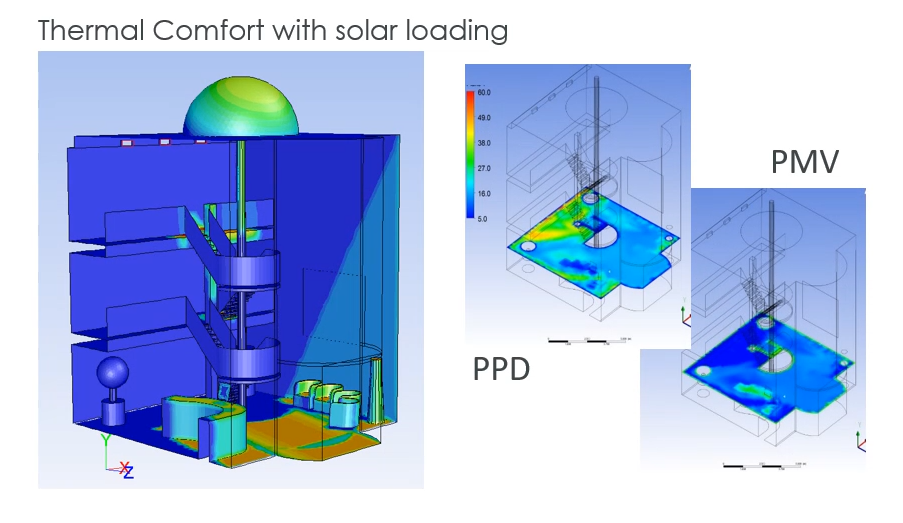
4 core applications where CFD is changing the HVAC & Construction industry
Over recent years we have seen significant growth in infrastructure and construction across our major capital cities in Australia and New Zealand, and in turn...
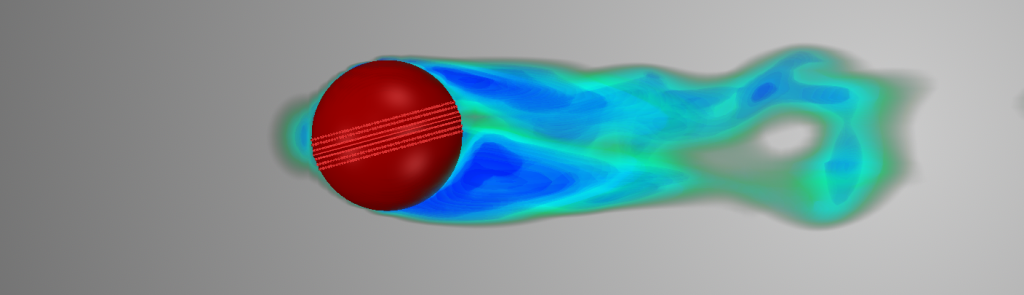
How can CFD help us better understand the physics of reverse-swing bowling?
In cricket, reverse swing bowling is much talked-about but often misunderstood. Conditions in the much anticipated 2019 Ashes cricket series between Australia and England are expected to be conducive to reverse-swing bowling. Let's use some CFD examples to help better understand the science of reverse-swing bowling.
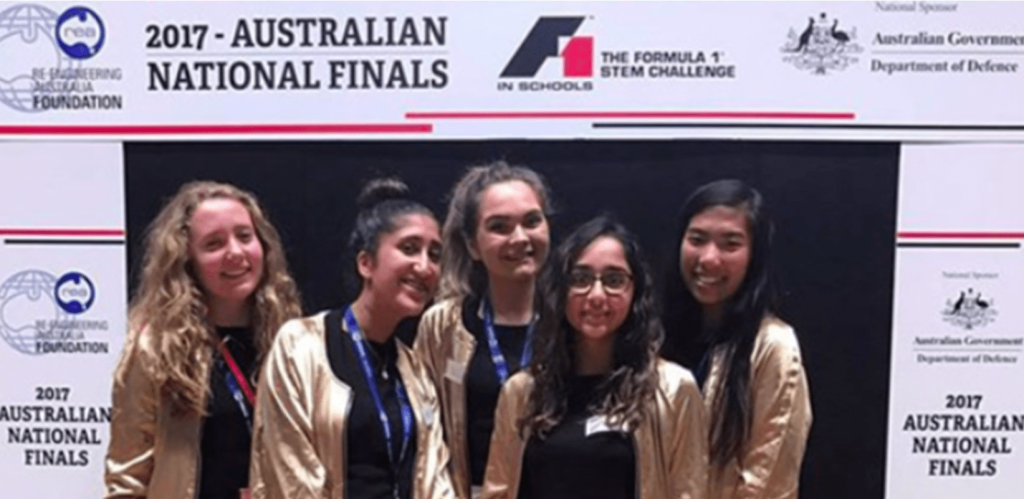
Q&A with 2017 F1 in Schools National Champions - Golden Diversity
Leading to 2019 National Finals, hear some insights from Hoai Nguyen, Design Engineer from the Golden Diversity F1 in Schools team from Queechy High School - Hoai was closely involved in using CFD simulations and Augmented Reality for their car and display for the 2017 World Finals.
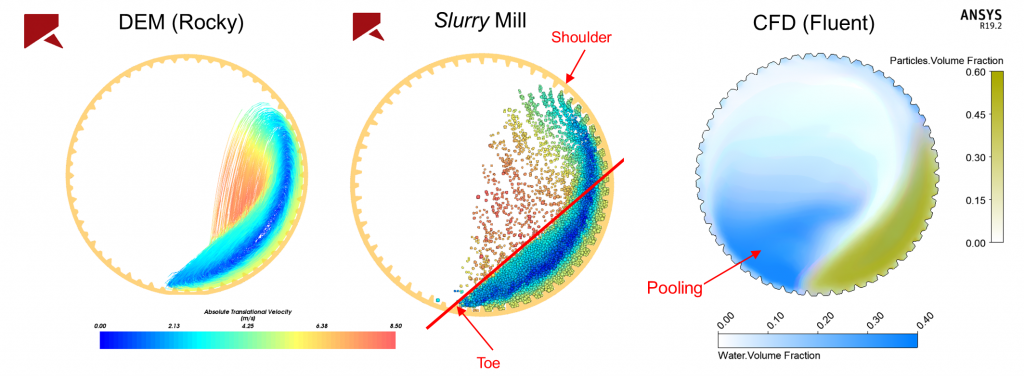
Predicting Liner Wear in a SAG Mill using Rocky DEM coupled with ANSYS CFD
LEAP will be in Melbourne at the 2nd Int'l Symposium on Computational Particle Technology to showcase exciting new modelling work that has been completed recently using Rocky DEM and ANSYS CFD to predict liner wear in a semi-autonomous grinding (SAG) mill, using ANSYS CFD to model the effects of slurry flow within the mill on liner wear and particle breakage.
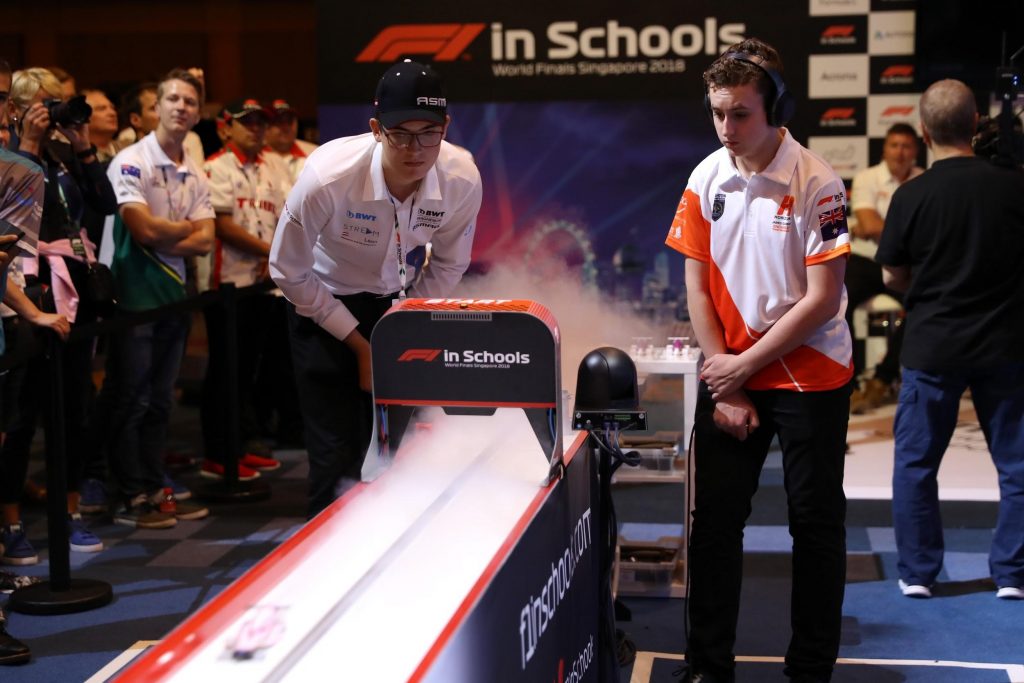
Guest Blog: LEAP & ANSYS help Horizon on journey to be crowned 2018 F1 In Schools World Champions
We are Horizon, Australia's lead F1 in Schools team from Brighton Secondary School in South Australia. After years of hard work and dedication, as well...
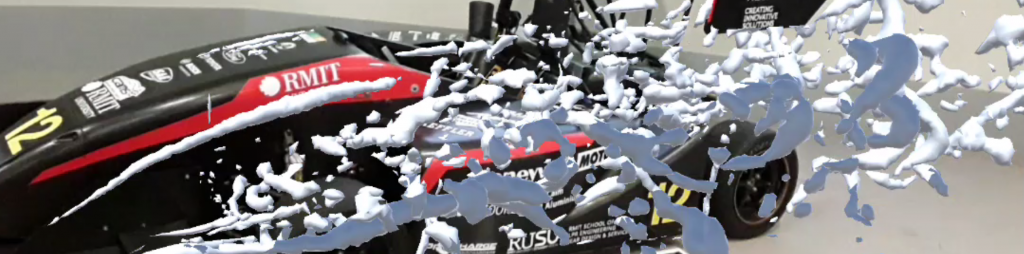
Guest Blog by RMIT Racing: Using Augmented Reality (AR) for R18c - Designing for the Future
RMIT Racing explains how both their combustion and electric F-SAE teams have decided to employ the use of Augmented Reality (AR) with technical support from LEAP for their 2018 campaigns, including an impressive visualisation of the aerodynamics of the R17c vehicle.
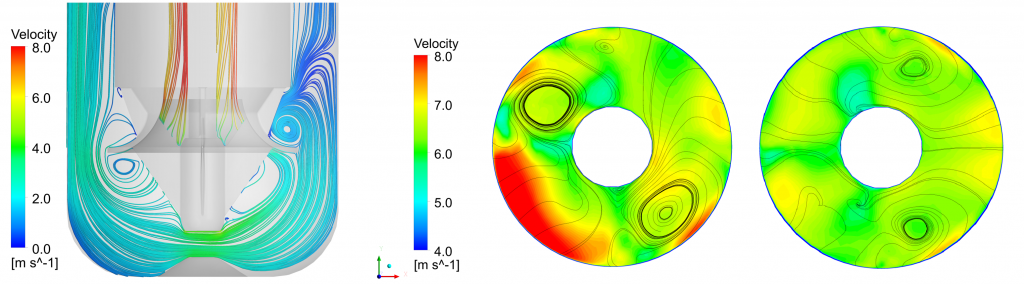
Guest Blog by Adra Group: Increasing Pump System Performance through CFD
In a guest post, Adra Group explains how ANSYS CFD was used to assist Hydro Australia to identify and resolve non-uniform flow issues (into vertical canister pumps) which was causing severe noise and vibration issues and high operating costs.
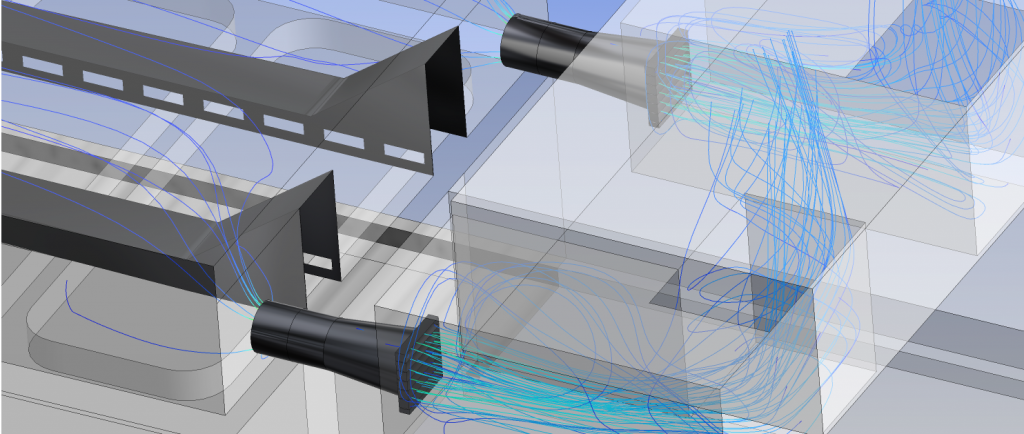
From tunnel ventilation to thermal comfort on your daily commute: CFD applications in the Rail industry
As you become more immersed in the world of CFD/simulations, you also begin looking around you and identifying more aspects of your everyday life impacted by engineering simulation. Learn how work by engineers in the Rail industry now means your daily commute contains many good examples of how CFD has improved both your comfort and safety.
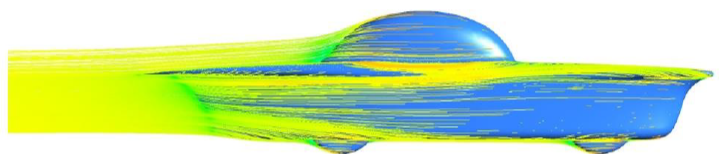
2017 World Solar Challenge: proudly supporting student teams on their adventure of a lifetime
The world’s best solar car teams are driving into Adelaide today, 4-5 days after they started their journey in Darwin, and 2+ years after commencing their initial planning and engineering design following the 2015 competition. Congratulations to all the teams - read more about the simulation work done by committed student teams in the lead-up to this pioneering race.
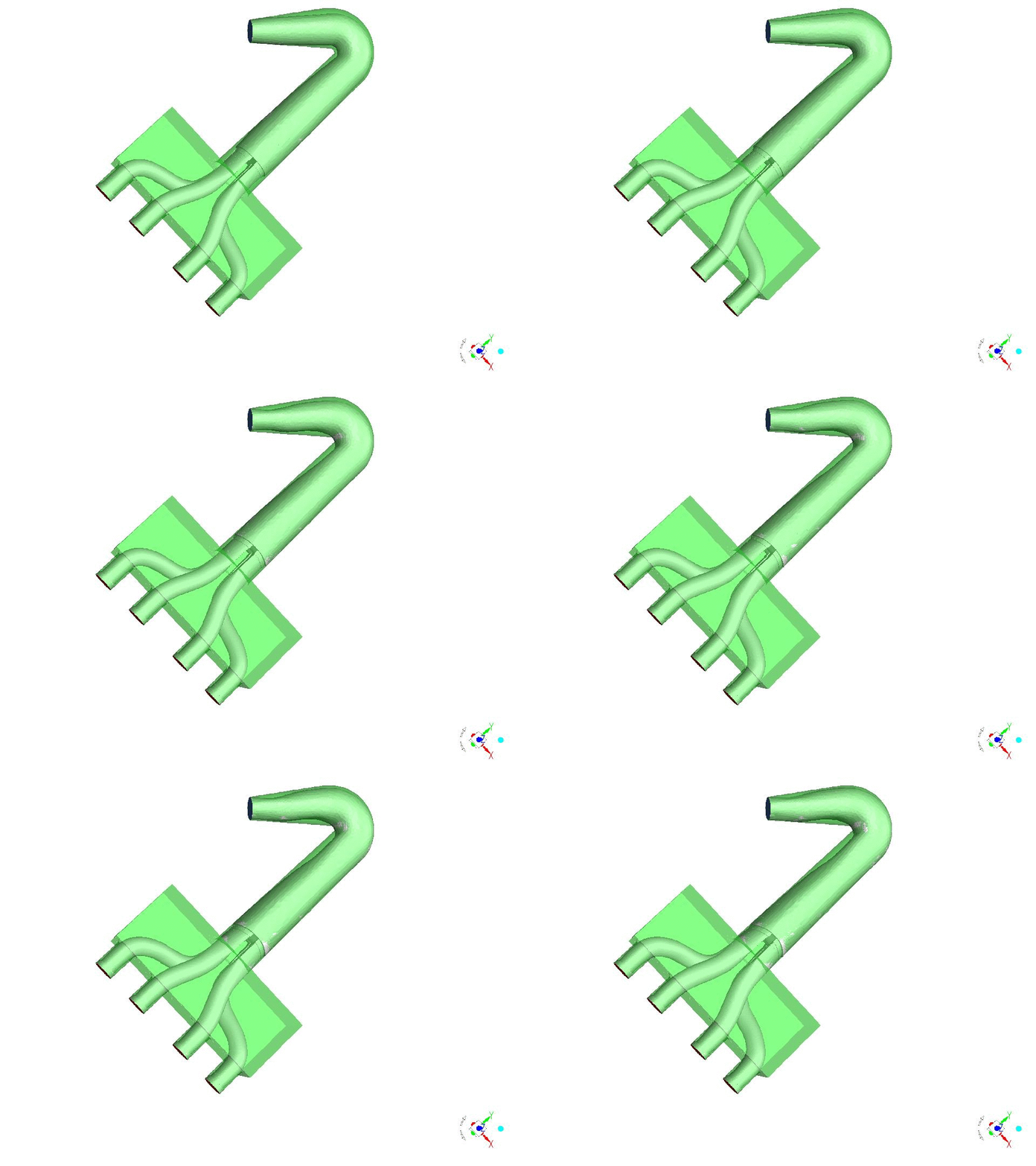
Shape Optimisation with the Adjoint solver, Part 2: Useful new features
In our 2nd part of a series on the Adjoint solver, learn how recent developments have focused solely on improving the usefulness of the Adjoint solver for real-world customer problems - allowing for definition of multiple objectives; expanding to include more physics; and allowing more user control over geometry modifications and constraints.
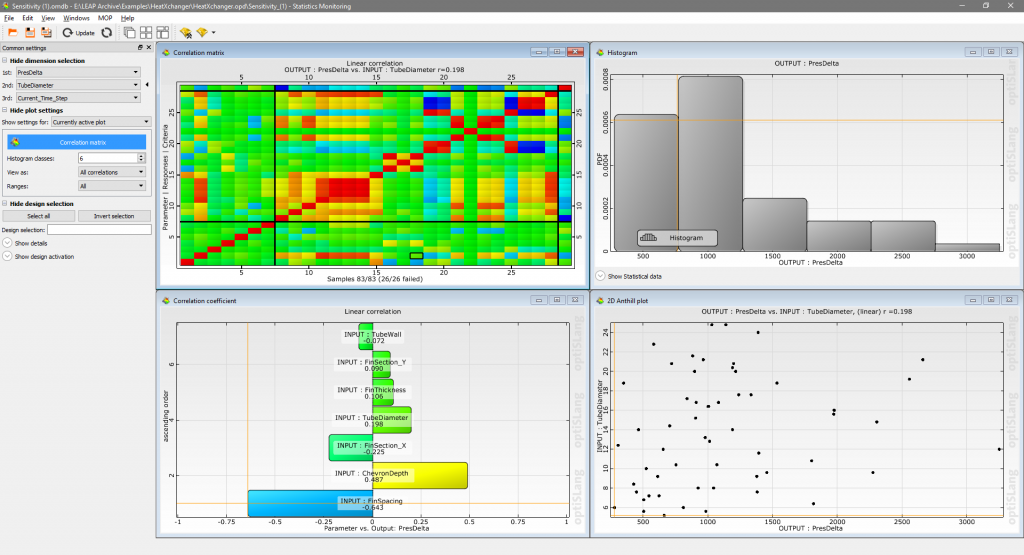
Next-Generation Robust Design Optimisation with ANSYS optiSLang
When dealing with a significant number of variables in our simulations, design engineers often find it challenging to work out which variables are the most important, and how to best tune these variables to improve performance. Learn how ANSYS optiSLang now offers a compelling proposition for answering these questions while giving engineers even more tools for exploring the possible performance envelope within key design parameters.
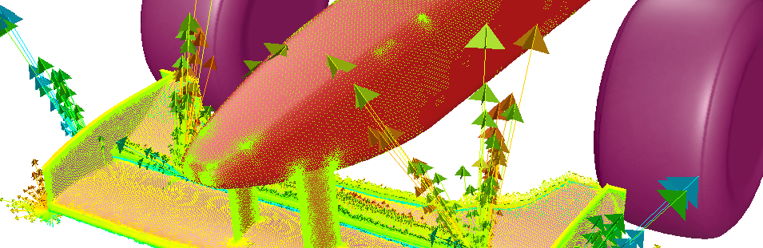
Shape Optimisation without constraints - How to use the Adjoint Solver Part 1
Engineers are continually under pressure to improve the performance of their products and often look to gain an edge using optimisation techniques - trying to reduce drag, increase lift (or downforce), or reduce pressure drop. Rather than relying on intuition to make geometry changes that are often constrained (using a parametric CAD approach), you can now use the new Adjoint solver to compute localised sensitivity data (related to your objectives) and optimize your design semi-automatically.

Innovation and ingenuity lead Team New Zealand to America’s Cup victory
LEAP and ANSYS congratulates Emirates Team New Zealand for their remarkable victory in the 2017 America’s Cup. More info on some of the unheralded innovations and ingenuity behind this engineering and sporting triumph.

Swapping Fuel for More Beer on your next Caravan Holiday
Caravan owners are well aware that the speed they drive at and the shape of their caravan can greatly affect fuel consumption.
In partnership with Caravan World magazine, we've taken a closer look into the performance of caravans with the aid of CFD, including some less obvious factors that can help shave off the drag on your caravan and improve fuel consumption.
To Bundle or Not to Bundle…?
A discussion around the business benefits of a separate “PrepPost” & “Solver” licence configuration which provides greater flexibility and allows each organisation to tailor the number of licences to their team’s needs: providing the optimal blend of user productivity and solver throughput.

AR amplifies the insights and impact of CFD
Learn about Augmented Reality (AR) technology that was showcased at 2017 National Manufacturing Week / Austech: including the ability to augment pressure contours on the front and rear wings of the MMS racecar, as well as visualise the animated flow streamlines being released forward of the front wing. Students from MMS are using these AR CFD results to collaborate more effectively in a multi-disciplinary team environment where not everyone is a CFD expert and hopefully achieve their ultimate goals of maximising downforce on the front/rear wings and optimising the aerodynamic performance of their racecar.
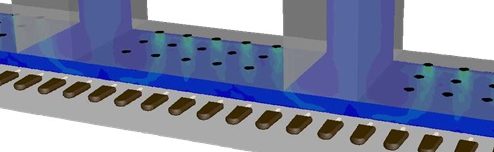
An Increasing Appetite for Innovation in the Food Industry
Companies in the food & beverage industries looking to grow their business are implementing new technologies, such as simulation, to enable their engineers to develop new products and implement process innovations necessary to provide efficiencies of scale. Here are 7 ways that food & beverage manufacturers can harness cutting-edge simulation technology.
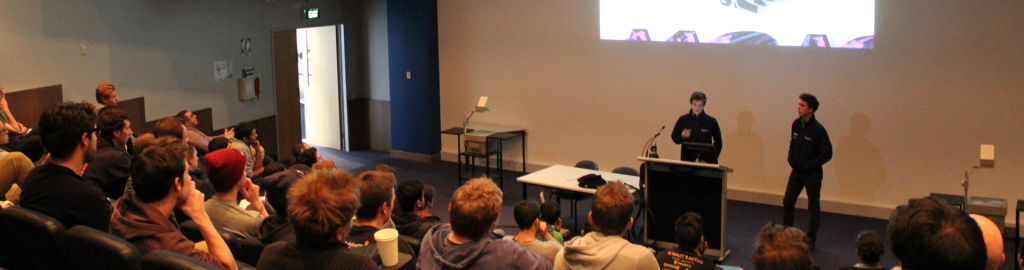
Introducing the LEAP Academic Portal
LEAP are pleased to announce the launch of the new LEAP Academic Portal, which provides self-guided tutorials and other learning resources across multiple physics. The portal is intended to arm all engineering students with a comprehensive understanding of the capabilities of CAE simulation, and prepare them for the new job market where companies expect graduates to conduct realistic, multi-disciplinary simulations of their products.
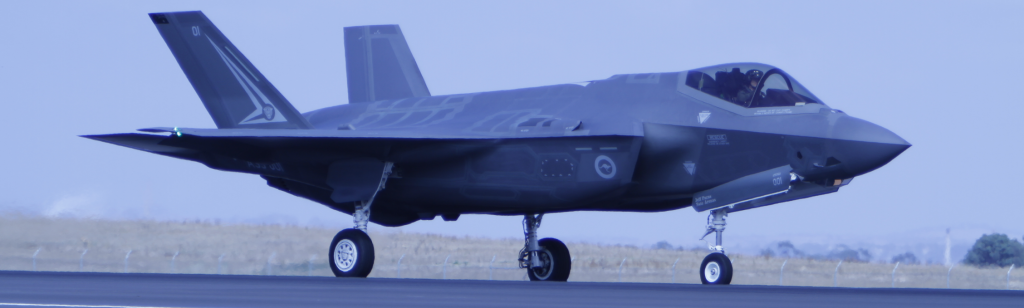
IoT sensors identify your product is operating ‘out of spec’. What next? Some lessons from the Avalon Airshow
The timing is right for the concept of Digital Twin to be embraced by Australian industry and defence. Learn how it has been made possible by the convergence of multiple trends, encompassing IoT data, big data analytics and ongoing advances in engineering software.
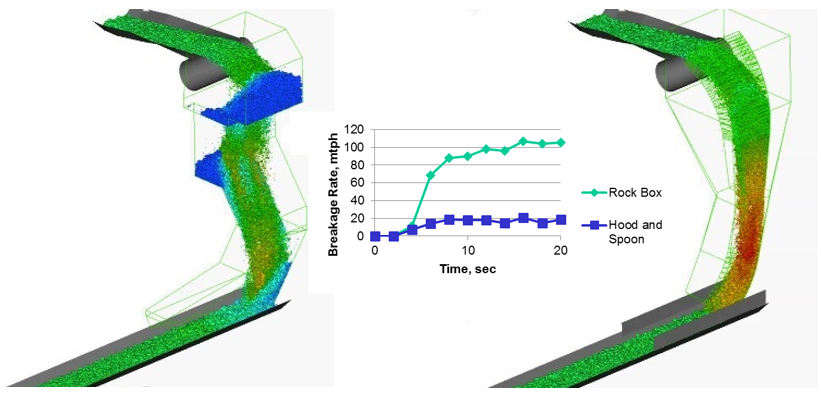
Breakage Modelling in Rocky - Examples
As mentioned in the accompanying blog post, being able to predict material degradation in transfer chutes is very important mainly for two reasons, namely, to...
Going with the Flow
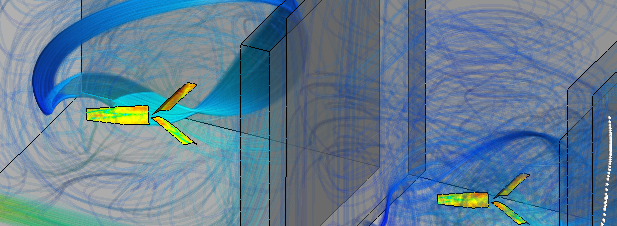
The water industry has a range of engineering challenges and specific regulatory requirements, especially concerning flow assurance, water quality, and even component selection. Learn how CFD delivers real value to the water industry - such as predicting complex flow behavior, across individual components or large network systems.

Tips on modelling non-Newtonian fluid viscosity
Many fluids we encounter in industry do not strain linearly with respect to viscous shear and are thus considered non-Newtonian. This post explores how to model non-Newtonian viscosity of fluids in ANSYS CFD, using blood as an example.
How to Shrink Wrap a biomedical STL file in Fluent Meshing
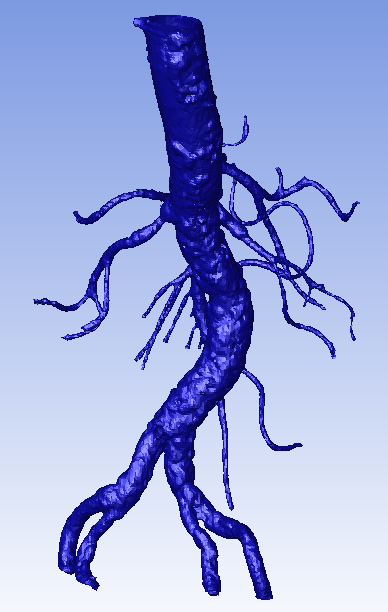
A How-To guide for Fluent Meshing's new Shrink Wrap tool which provides a powerful, easy-to-use solution for meshing complex STL geometries. This is a step-by-step guide on how to produce a high-quality CFD mesh for an abdominal aorta, imported in medium-resolution STL format (NIH).
ANSYS simulation workflow for pump systems – a fascinating webinar
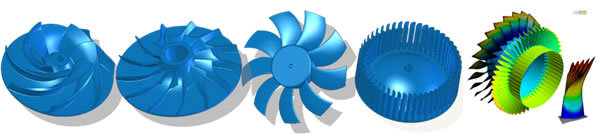
We encounter pumps in our everyday life in all manner of applications, be it in our dishwasher or car; or indirectly in water supply, oil...
ANSYS CFD assists the Pharmaceutical Industry to address scale-up challenges
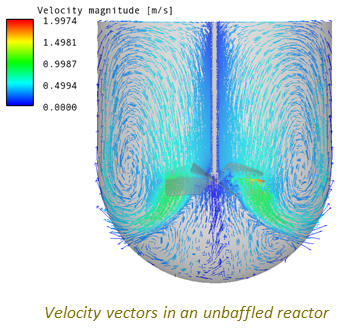
For R&D and production engineers working in the pharmaceutical industry, the real challenges commence after a new drug molecule has been discovered. They are then...
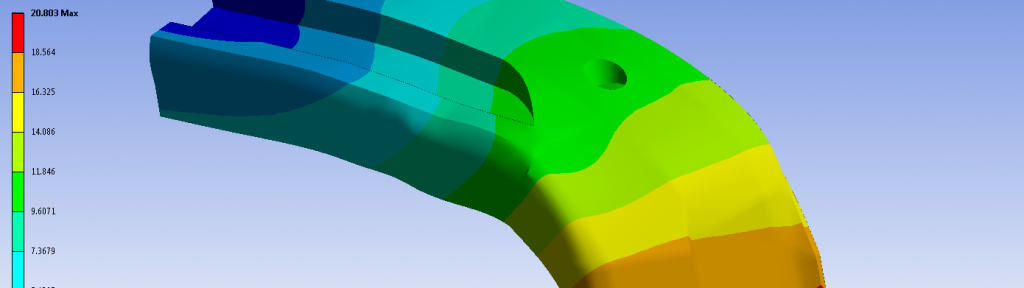
Fast ROI using simulation of polymer manufacturing processes
ANSYS Polyflow is designed to simulate blow moulding and extrusion processes, as well as mixing of complex rheology liquids, film casting, extruder screw simulation, gravity assisted gob forming, glass pressing and mould filling. Many companies deliver a fast ROI of within 1 year using Polyflow for polymer processing simulations.
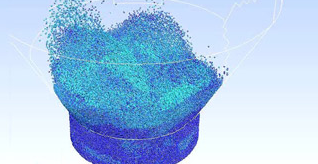
Recent advances in Multiphase Flow Modelling
What's changed in the world of multiphase flow modelling in the past 2-3 years? As always, an understanding of the physics of the system that you are modelling remains the number one priority, however, a number of new developments will help you address a wider range of multiphase flows and in a faster and more effective way.
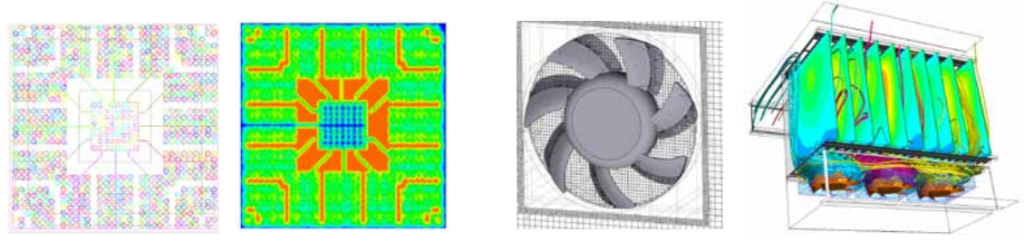
Using CFD to stop overheating of electronics and electrical equipment
Simulation technology allows us to accurately predict the thermal performance of electronics/electrical equipment during early design stages, giving engineers the confidence that thermal failures in the field (and the adverse warranty issues they may bring) can be considered a thing of the past.
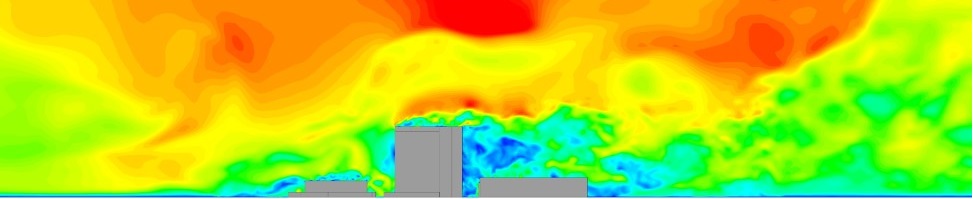
Exciting advances in Wind Engineering using ANSYS CFD
Wind engineering requires engineers to consider how a building responds to its environment as well as the effect that the structure will have on the space around it. Learn more about the use of CFD in wind engineering...
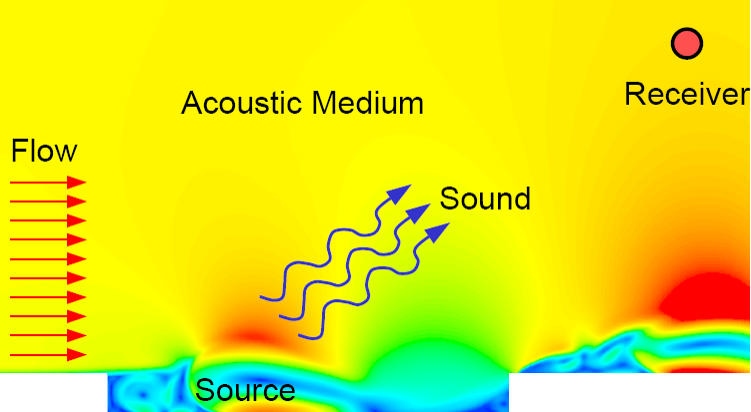
Using CFD to predict flow-generated noise and other aeroacoustic effects
Flow-generated noise can have significantly adverse effects on our everyday lives. Product designers and engineers at the world’s most innovative and successful companies have recognised this fact, and are increasingly using CFD to incorporate noise mitigation strategies into their product design process.
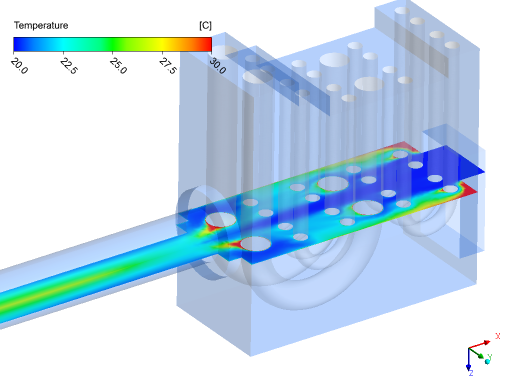
Smart gas appliance manufacturers use rising gas costs to their competitive advantage
With gas prices predicted to skyrocket in the next few years, an opportunity exists for engineers and designers of gas-fired appliances at smart manufacturers to use CFD to gain an edge in the competitive Australian market.
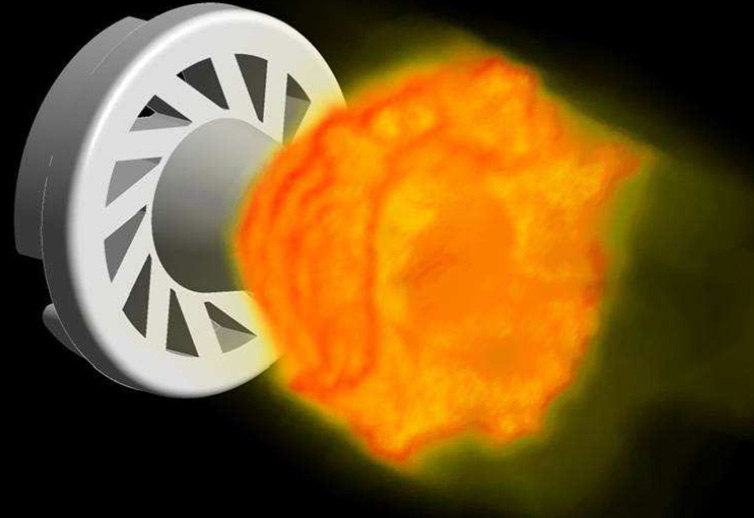
Solving Complex Combustion Challenges with CFD
Combustion technology underpins almost every facet of our modern life, from electricity generation to industrial heaters/furnaces through to automotive engines. Increasing social and economic pressure to minimise energy use and reduce pollution is driving the use of CFD to improve the efficiency of combustion processes.
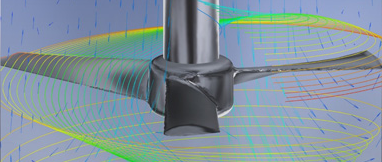
Using CFD to enhance your mixing process and drive down costs
Mixing processes are critical to a wide range of industrial applications across the the paint, food, pharmaceutical, minerals and water treatment industries. CFD is becoming fundamental to the successful operation of mixing processes including clarification, cell culture growth, fermentation, polymerization and blending.
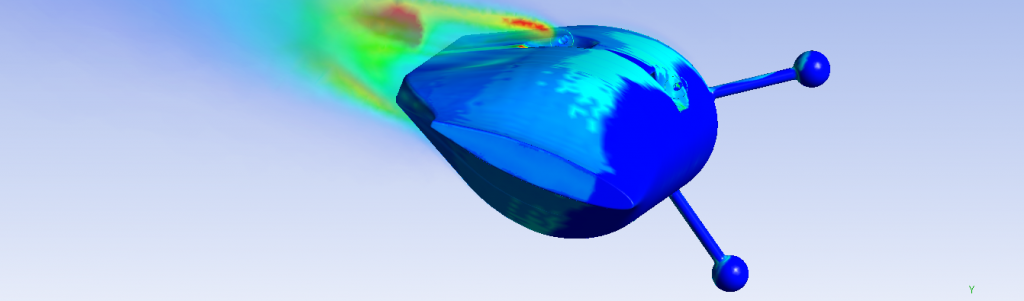
Guest Blog: The untold CFD story of James Cameron’s Deepsea Challenger
Phil Durbin from Finite Elements explains the untold CFD story of the design and testing of James Cameron's DeepSea Challenger, a solo manned submarine that ventured 11km down to the deepest place on earth, the Marianas Trench, in March 2012.

How can I drive Fluent UDF Parameters directly from ANSYS Workbench?
Our support team is tasked with helping our customers to extract maximum value from their CFD simulations, and we are always striving to help customers...

Monash Motorsport take out "Best Use of Virtual Methods to Achieve Vehicle Targets" award at Silverstone
We are pleased to announce that long term partners of LEAP Australia, Monash Motorsport, have achieved a very respectable fifth place overall in the 2014 Formula Student...
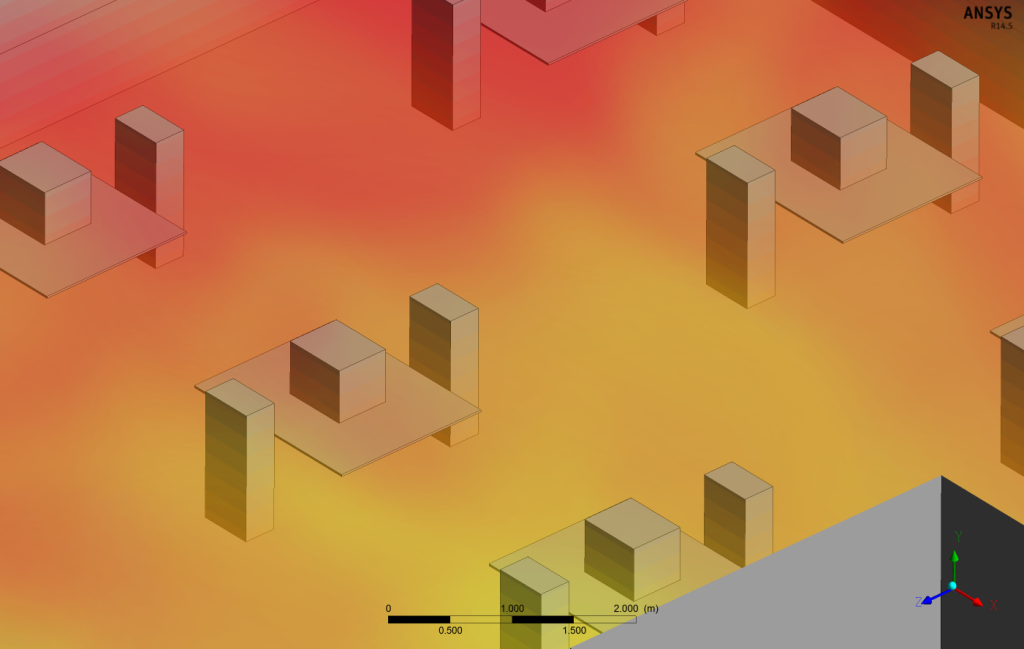
Tips & Tricks: Calculating the Mean Age of Air for HVAC simulations in ANSYS CFD
Engineers who are tasked with designing heating, ventilation and air-conditioning (HVAC) systems for buildings will need to assess the indoor air quality to ensure optimum health...
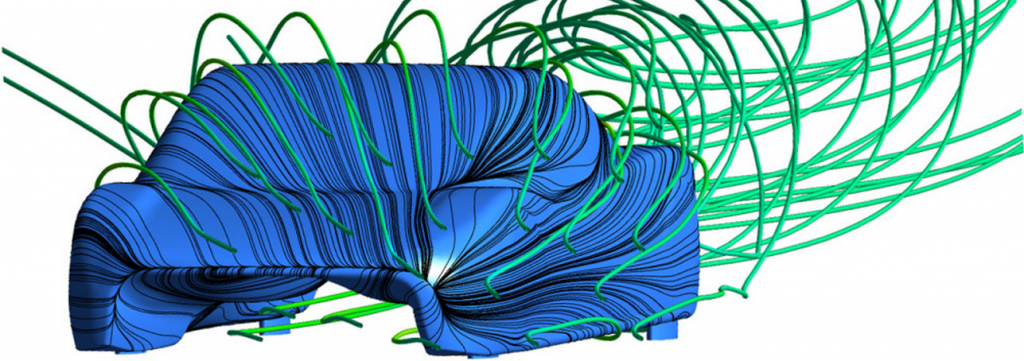
Guest Post: ANSYS CFD helps Sunswift tackle the World Solar Challenge
Issue 1 of ANSYS Advantage magazine places the spotlight on the academic use of CFD and other ANSYS software. Part of this issue is dedicated...

Solving Conjugate Heat Transfer problems
For many simulations of real world engineering applications, the predictions of heat transfer properties are as important, if not more important, than the actual...

New & Improved: The 2014 FIA Formula One Series
This weekend, televisions around the world will tune into to watch the first race of the 2014 FIA Formula One Championship take place in Melbourne,...
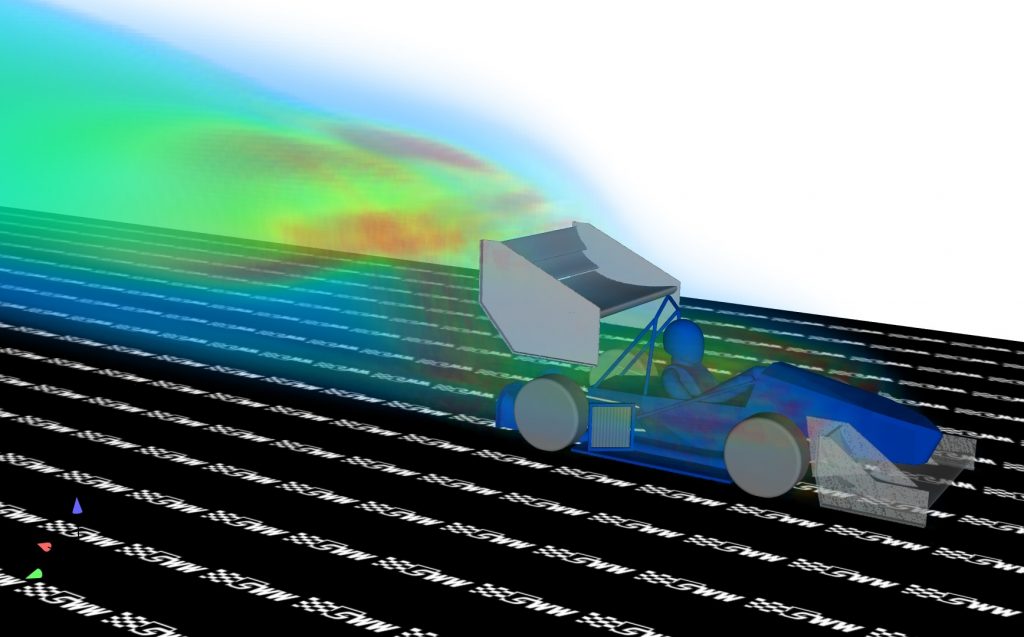
Guest Post: Optimising FSAE Aerodynamics at Monash Motorsport
LEAP Australia would like to congratulate the team from Monash University for winning the 2013 Australian Formula SAE Competition. As proud supporters of the Formula...
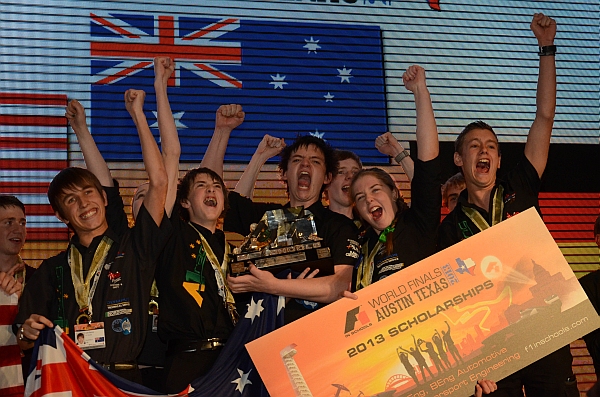
Astute use of ANSYS CFD contributes to the success of Australian teams at F1 in Schools 2013 World Finals
LEAP is very proud to congratulate the students from A1 Racing for winning the F1 in Schools 2013 World Finals in Austin, Texas. A1 Racing...
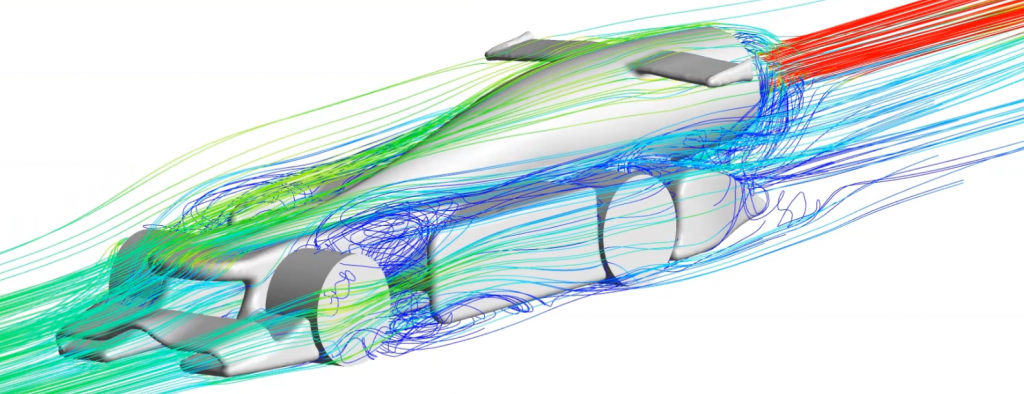
Congratulations to Australian teams in F1 in Schools 2013 World Finals
At LEAP we have a long-standing relationship with all the major universities in Australia and New Zealand. Our participation extends from the supply of best-in-class...
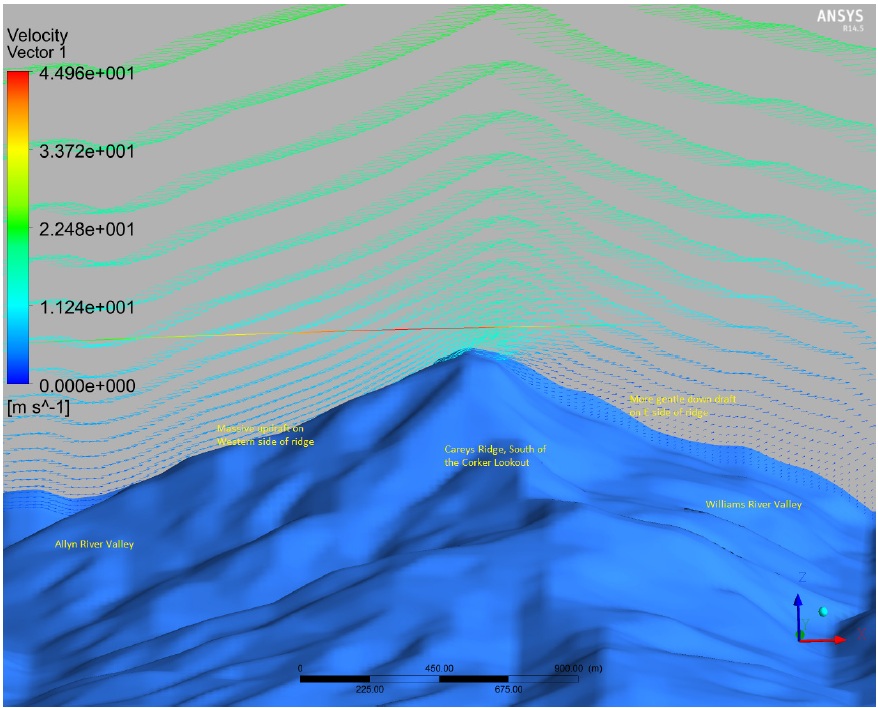
Can CFD help to solve Australia’s greatest aviation mystery?
On a stormy night in August 1981, a Cessna Centurion 210 aircraft crashed with 5 people on board in Barrington Tops, a rugged and isolated...
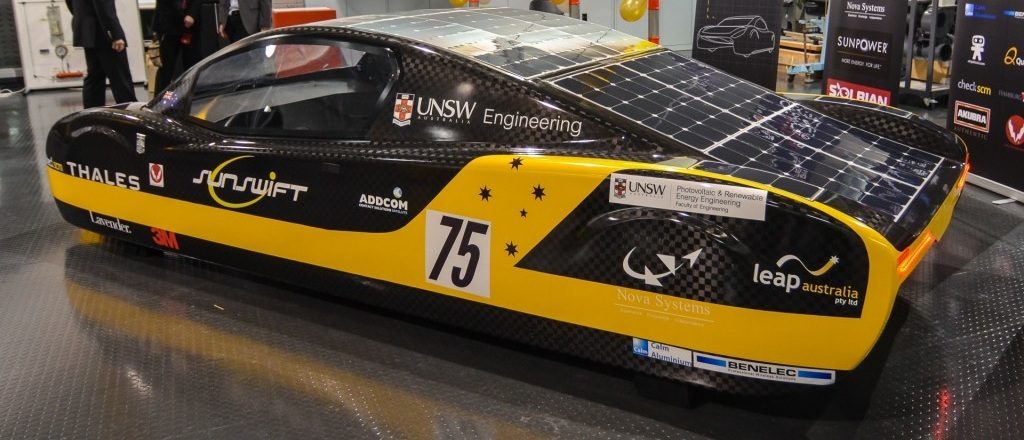
Sunswift leads race to Adelaide in new "Cruiser" class of 2013 World Solar Challenge
In the past, posters of cars such as the KTM Crossbow and Infiniti Red Bull F1 would adorn the bedroom walls of teenagers who were...
Turbulence Part 5 - Overview of Scale-Resolving Simulations (SRS)
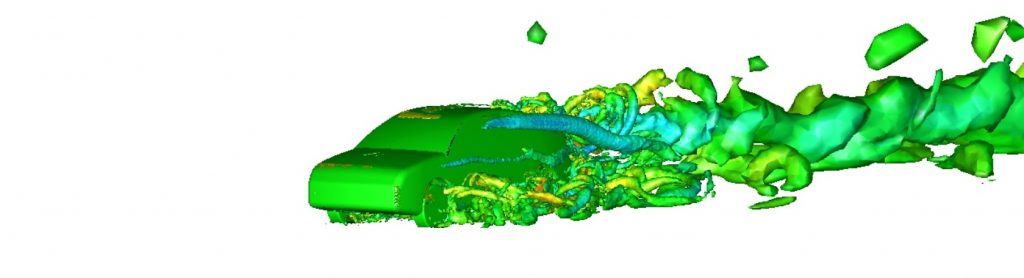
An increasing number of industrial CFD users are recognising the need to move away from RANS modelling and resolve a greater spectrum of turbulence (particularly in cases involving large-scale separation, strongly swirling flows, acoustics, etc.). Here we present an overview of Scale Resolving Simulation techniques and important considerations when considering applying SRS to your project.

CFD keeps Emirates Team New Zealand on course to reclaim the America's Cup
LEAP staff, in particular our team of CFD engineers, have been watching with interest as the 2013 America's Cup unfolds in San Francisco. Despite being the oldest active trophy in international sport, the America's Cup is continually evolving thanks to an often dramatic combination of ...
5 key areas where ANSYS Multiphysics will help overcome the engineering challenges of Elon Musk's Hyperloop
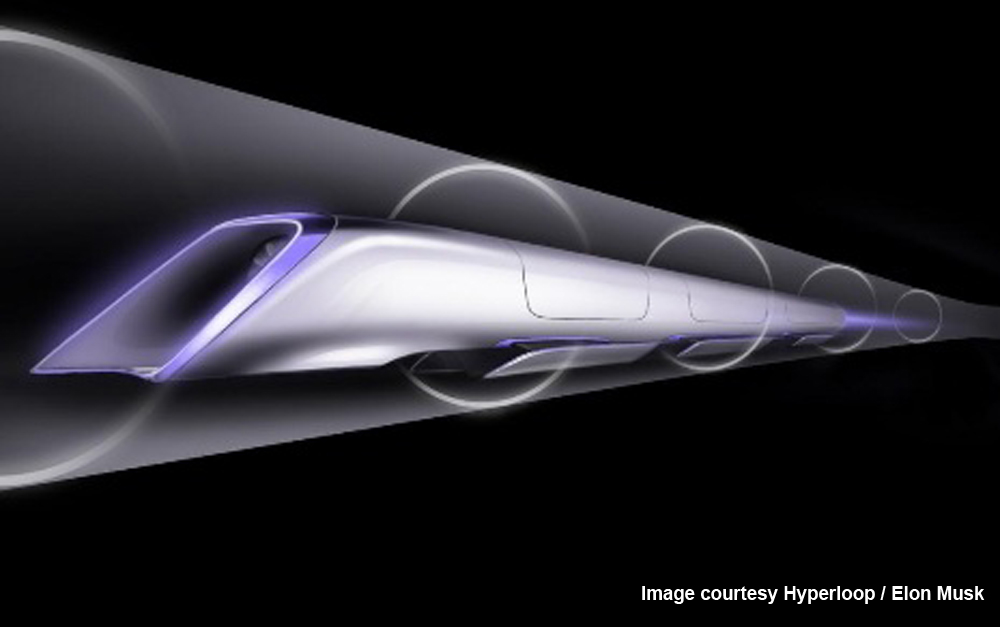
This week marked the public release of Elon Musk's much anticipated proposal for a new mode of high-speed transport to be built between LA and San Francisco, dubbed...
Tips & Tricks: Estimating the First Cell Height for correct Y+
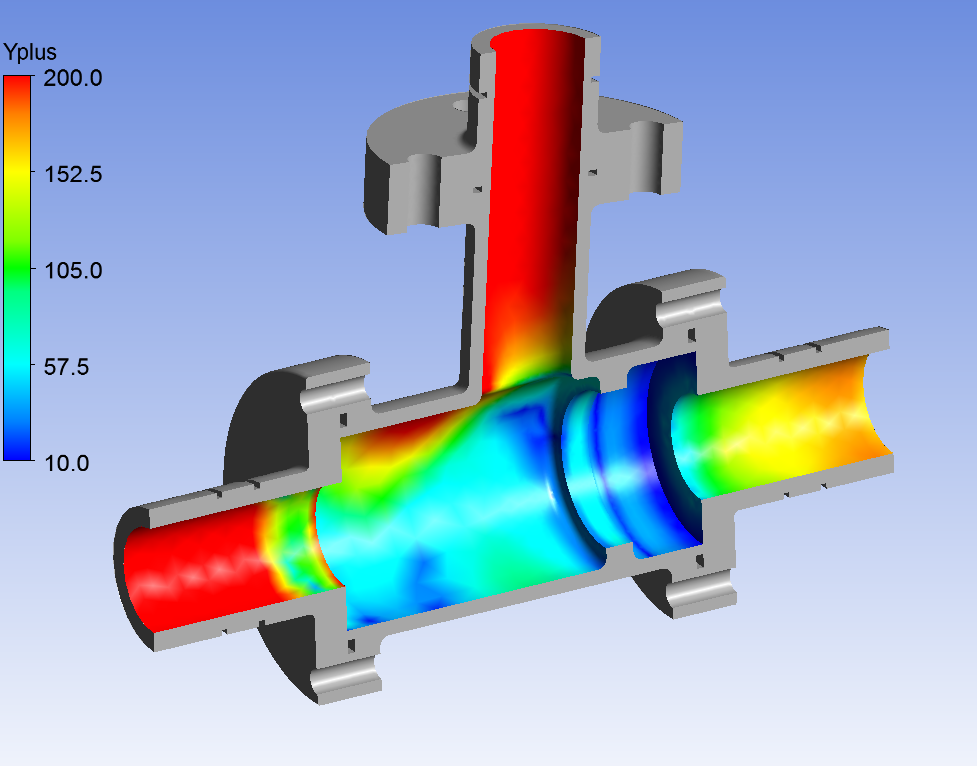
Note: this is an old post. The updated post series from 2020 is LEAP's 3-Part Series on "What y+ should I use in my simulations?"...
Turbulence Part 4 - Reviewing how well you have resolved the Boundary Layer
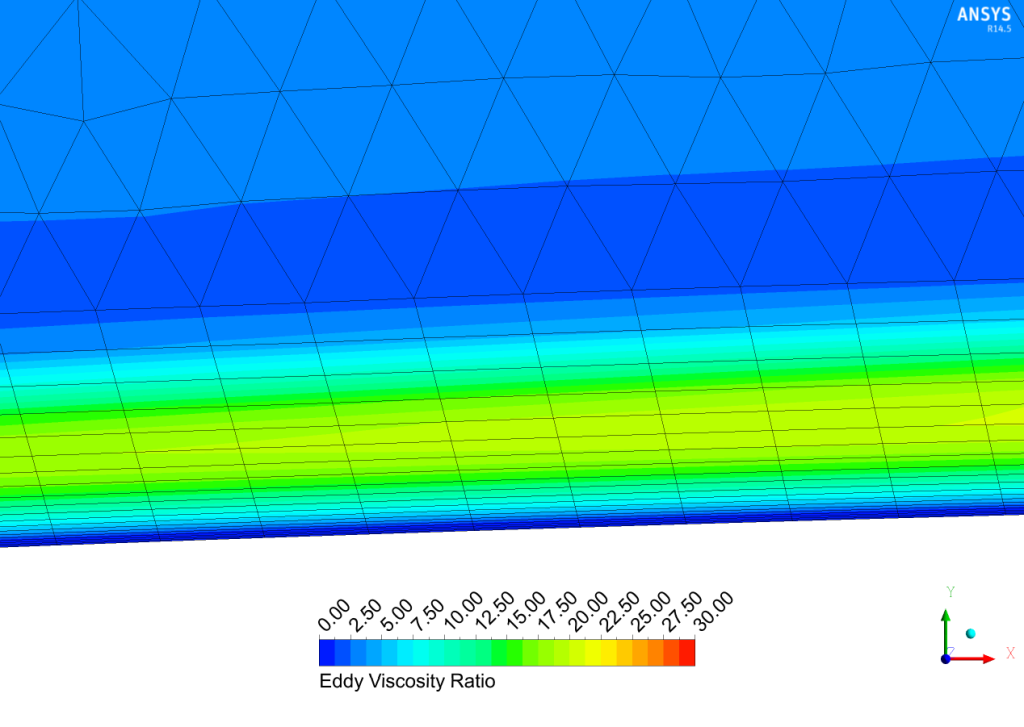
In recent posts we have comprehensively discussed inflation meshing requirements for resolving or modeling wall-bounded flow effects due to the turbulent boundary layer. We have...
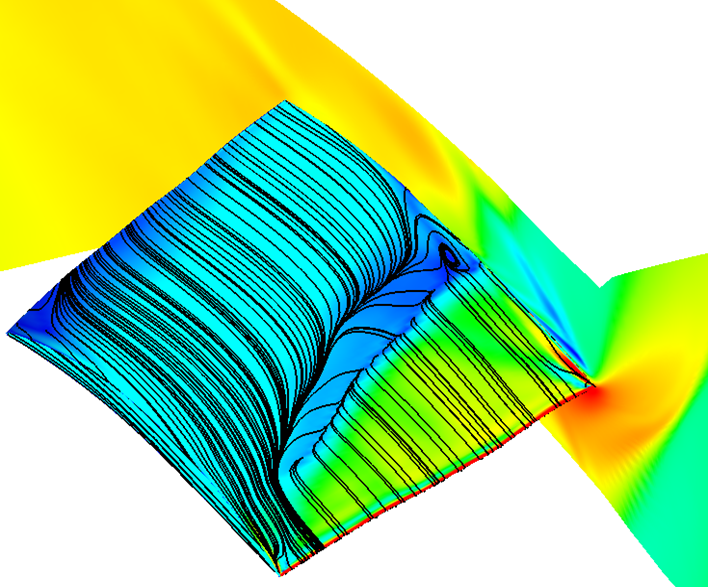
Turbulence Part 3 - Selection of wall functions and Y+ to best capture the Turbulent Boundary Layer
Note: this is an old post. The updated post series from 2020 is LEAP's 3-Part Series on "What y+ should I use in my simulations?"...
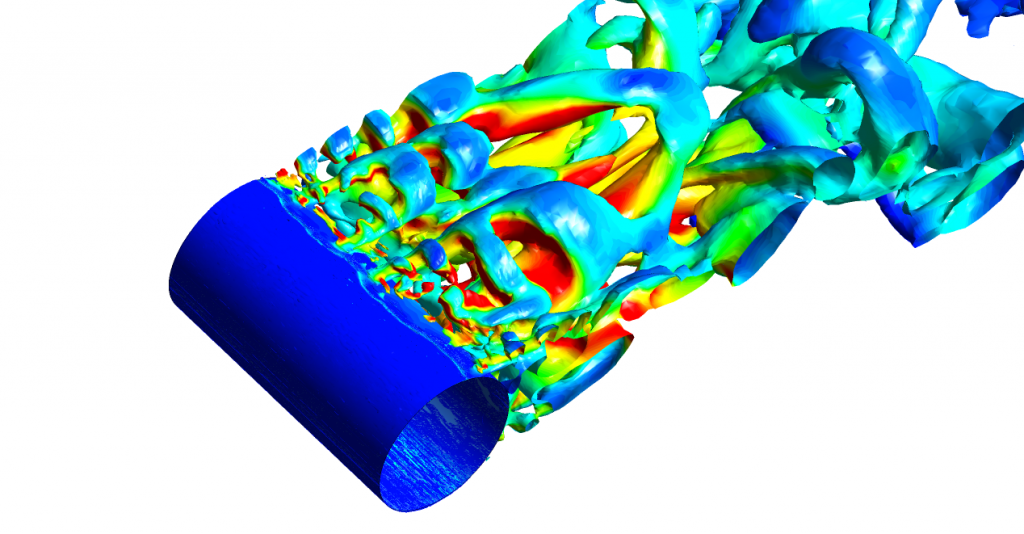
How does the Reynolds Number affect my CFD model?
The Reynolds number (Re) is the single most important non-dimensional number in fluid dynamics and is recommended to be calculated before you begin any new...
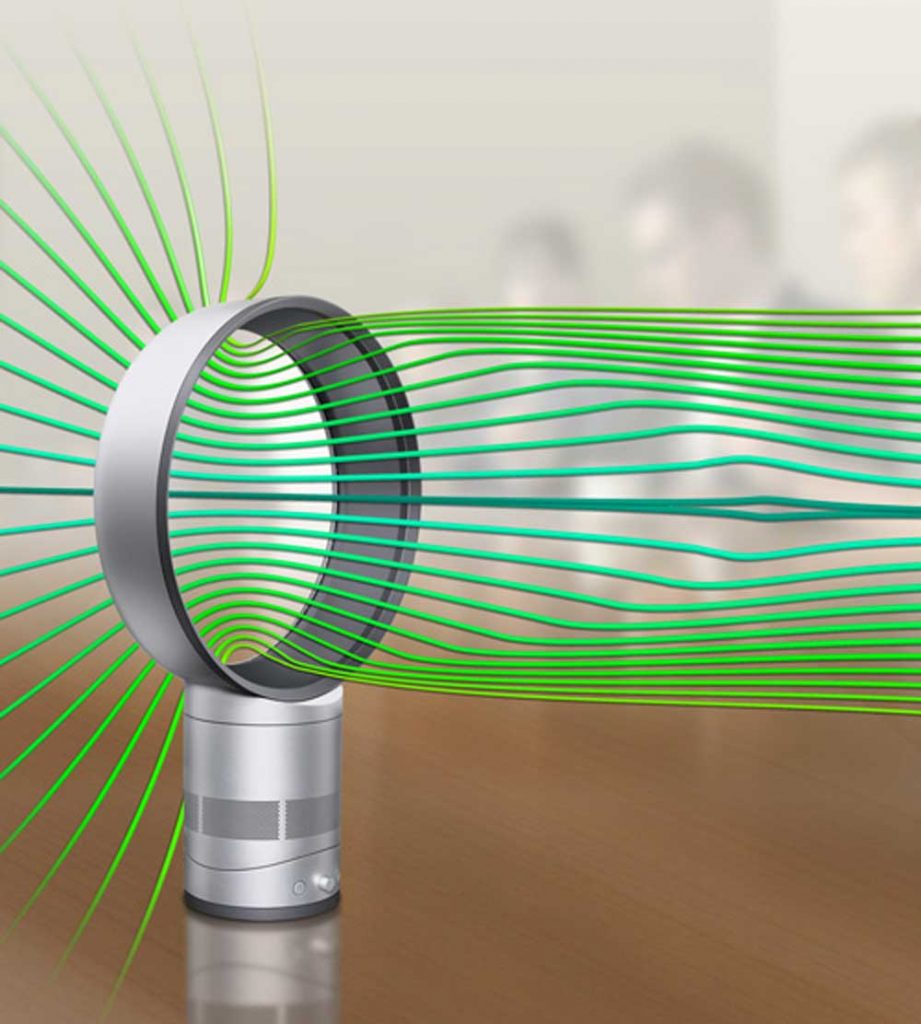
Insights from Sir James Dyson on accelerating product development through CFD with design exploration
Sir James Dyson was in Australia recently for the launch of Dyson's Airblade Tap hand dryer. During his visit, he gave a particularly enlightening interview with...

Formula SAE teams aim for the podium with CFD
Budding F1 car designers & engineers here in Australia may be getting excited in the build-up to the first race of the F1 season with...

Join LEAP at the 2013 Australian International Airshow
We know that many of our CFD customers are also very passionate about aerodynamics and aircraft design, so it stands to reason that the 2013...
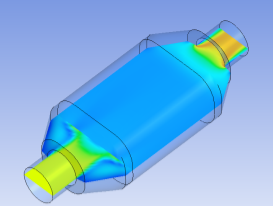
Tips & Tricks: How to interpret results for multiphase & porous domains using true velocity and superficial velocity
A commonly asked question is: What is Superficial Velocity and when do I use it? If a fluid flows through a region that is...
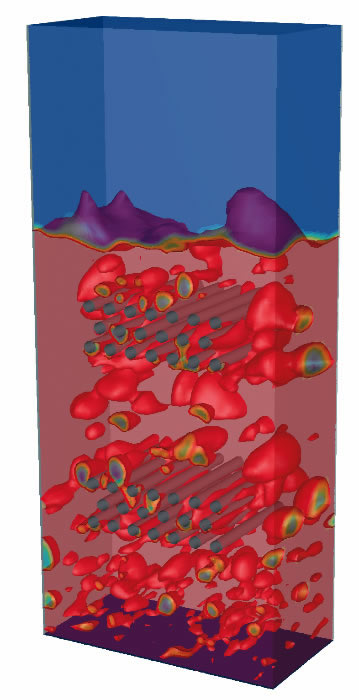
(Part 2) 10 Useful Tips on selecting the most appropriate multiphase flow CFD models
As we discussed in our previous post, the first step when tackling a multiphase CFD problem is to identify the key characteristics of your physical...
Webinar: Overview & Recent Advancements in Multiphase Flow Modelling with Dr. Markus Braun, ANSYS Inc
In advance of his visit to Australia in December, LEAP Australia is pleased to announce a webinar to be conducted by Dr. Markus Braun on...
10 questions to ask yourself when tackling your first (or a new) Multiphase CFD project
By virtue of the many physical processes we are often attempting to simulate in a virtual environment, CFD can be a complex beast. To accurately...
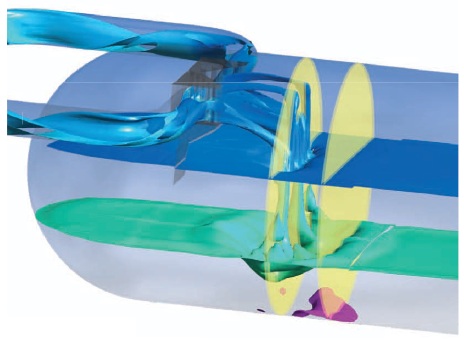
Learn from the Expert: Training in Multiphase Flow Modelling with Dr. Markus Braun, ANSYS Inc.
LEAP Australia is pleased to announce a visit to Australia by Dr Markus Braun, Team Leader, Multiphase Development, ANSYS Inc. Dr. Braun will be presenting...
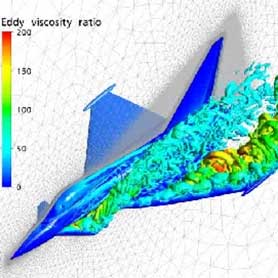
Webinar: Recent Advancements in Turbulence Modelling with Dr. Florian Menter
As part of the visit to Australia by Dr Florian Menter, world-recognised expert in turbulence modelling, LEAP Australia is pleased to announce a webinar to...
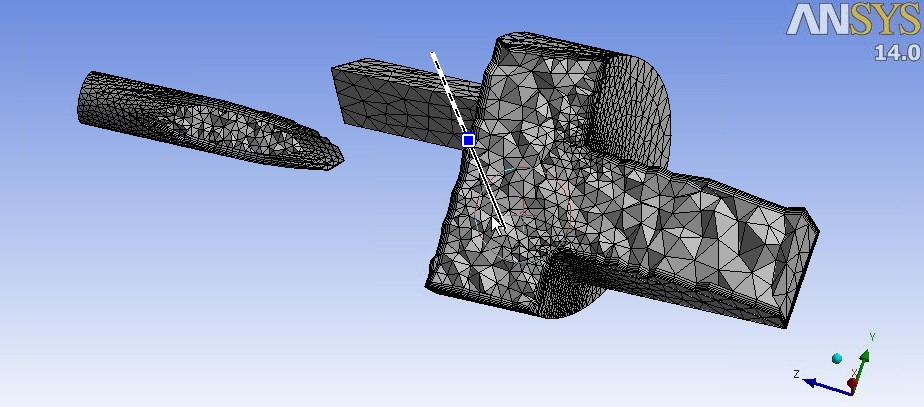
10 key points covered in our CFD Meshing Tips & Tricks webinar
A quick thanks to the large number of customers in Australia and New Zealand who attended our July webinar on ANSYS CFD Meshing Tips & Tricks. ...
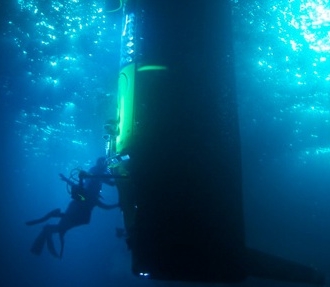
Top Australian Design Award goes to Deepsea Challenger submersible
LEAP Australia wishes to congratulate Finite Elements Pty Ltd on their impressive use of ANSYS simulation technology during the design and testing of James Cameron's...
Influence of CFD Technology on London Olympic Games
Many of you may already have detailed knowledge of the use of CFD in your area of expertise, but it is not often that as a...
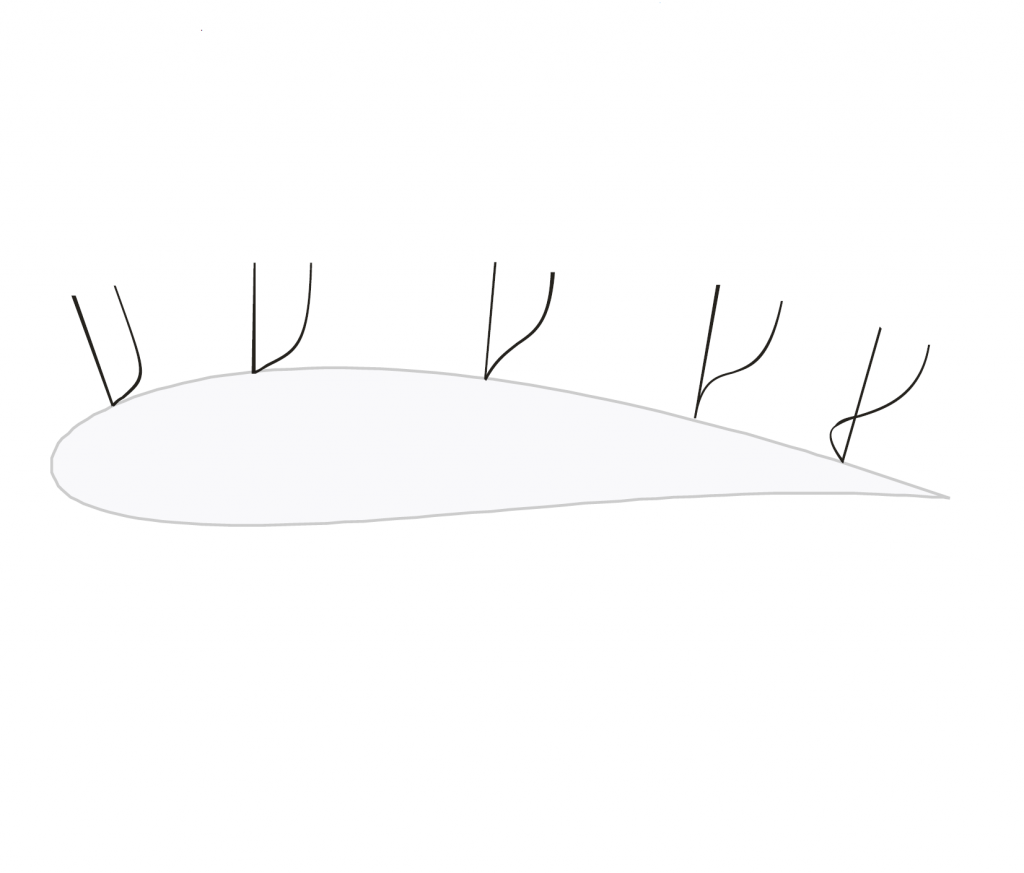
Tips & Tricks: Turbulence Part 2 - Wall Functions and Y+ requirements
Note: this is an old post. The updated post series from 2020 is LEAP's 3-Part Series on "What y+ should I use in my simulations?"...
Learn from the Expert: Turbulence Training with Dr. Florian Menter
Dr. Menter is a world-recognised expert in turbulence modelling.
He developed the widely used Shear-Stress Transport (SST) turbulence model, which has set a milestone in the accurate prediction of aerodynamic flows. He has also contributed to the formulation of one-equation turbulence models, advanced near wall treatment of turbulence equations, transition modelling and unsteady flow models. He has been in charge of the turbulence modelling program at ANSYS for more than 15 years and has been involved in a wide range of industrial modelling challenges.

Tips & Tricks: Turbulence Part 1 - Introduction to Turbulence Modelling
We will now focus on Turbulence Modelling, which is a critical area for any engineer involved with industrial CFD. There are a number of different...
Tips & Tricks: Convergence and Mesh Independence Study
The previous posts have discussed the meshing requirements that we need to pay attention to for a valid result. It is important to remember that...
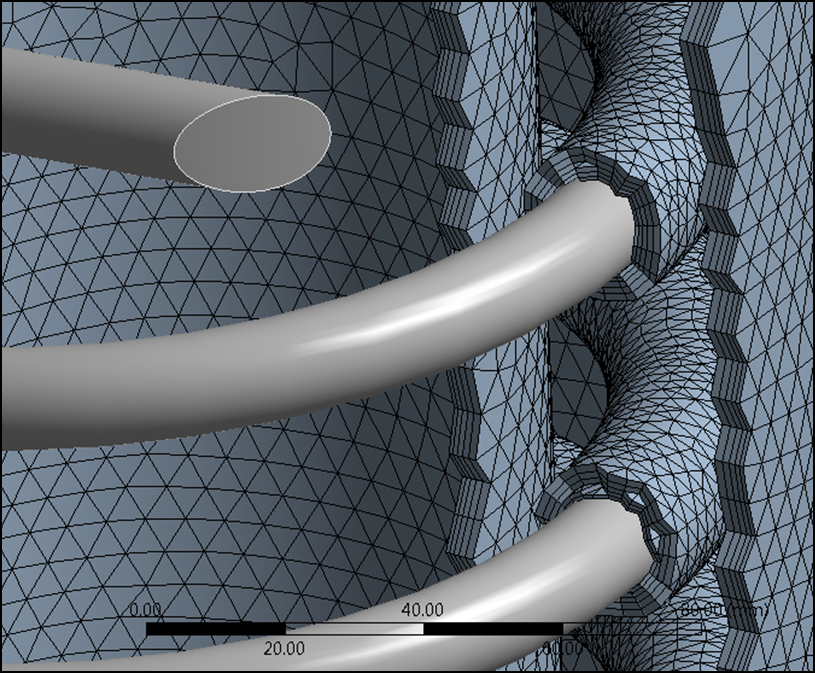
Tips & Tricks: Inflation Layer Meshing in ANSYS
Throughout our first set of Tips & Tricks posts relating to meshing controls and meshing methods, we have made mention of Inflation Layers a number of times. ...
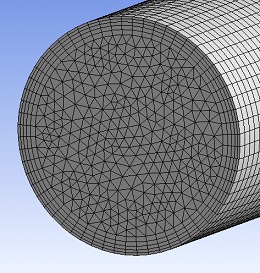
Tips & Tricks: Sweep Meshing in ANSYS
For this post, we'll discuss a topic which allows you to complement your understanding of global and local mesh controls that we have covered previously. Sweep meshing...
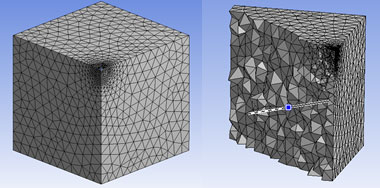
Tips & Tricks: Size Controls in ANSYS
In our previous post we discussed the importance of geometry preparation, utilising the ANSYS Global Mesh Control settings and the best use of the ANSYS Meshing...
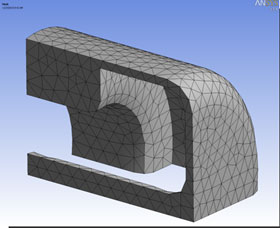
Tips & Tricks: Global Meshing Controls in ANSYS
Welcome to the first in LEAP's series of CFD Tips & Tricks blogs. The topics for this first series of blog entries will focus on the...
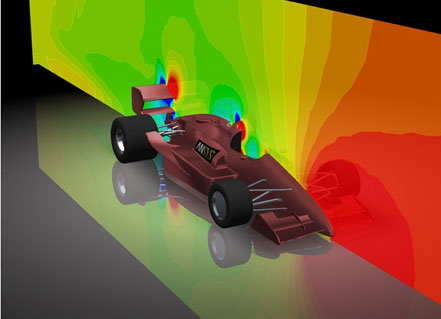
How the top Formula One (F1) teams stay on the podium
You may already know that Computational Fluid Dynamics (CFD) is currently used by all Formula One teams as part of their ongoing development for their...
LEAP's partners include:
 |
 |
 |
 |
 |
 |
 |
 |
 |
 |
 |
 |
